Ecowas 2026 Recap
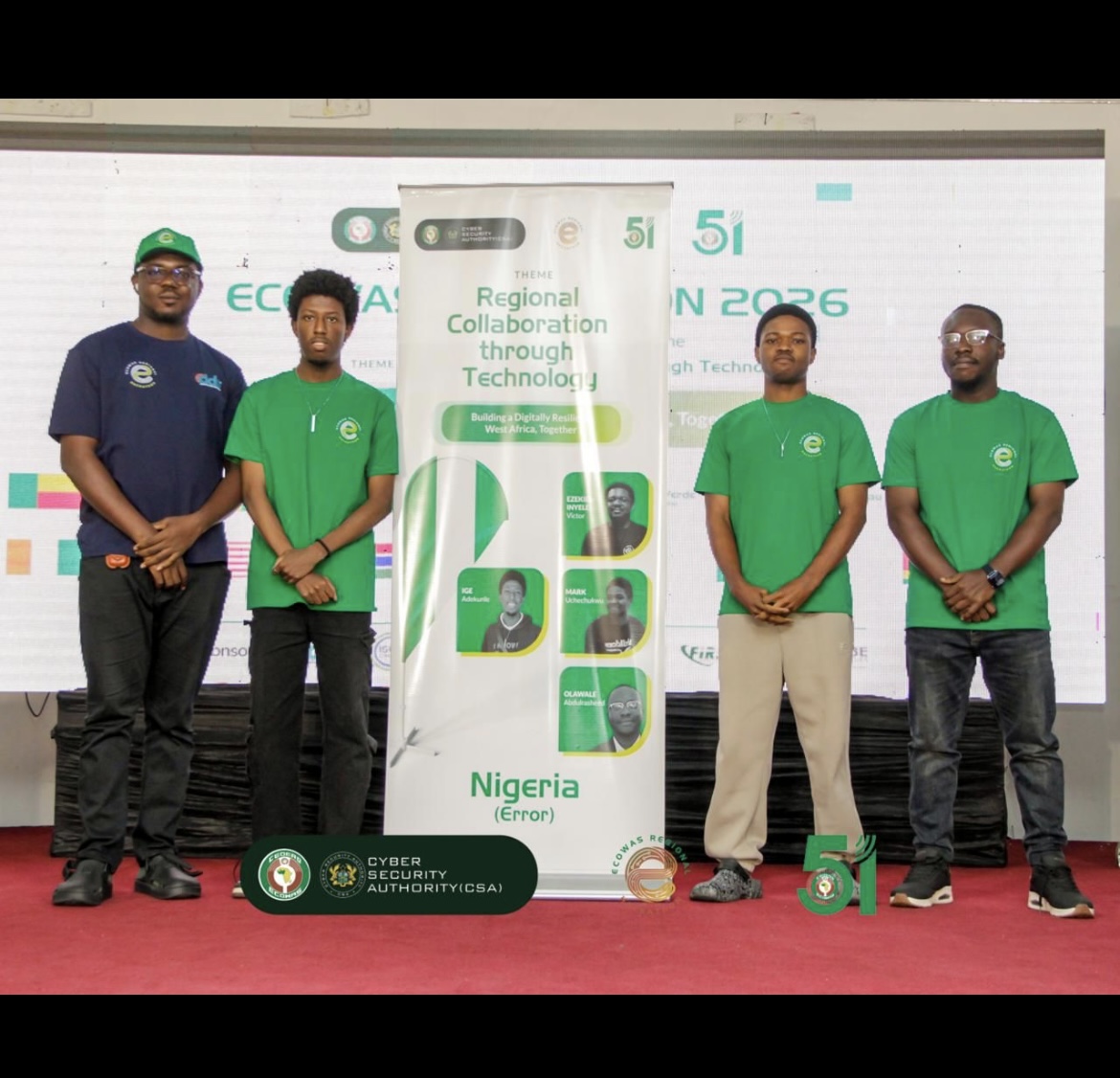
ECOWAS Cybersecurity Hackathon 2026 - Accra, Ghana
In this blog post, I’ll be sharing my personal experience as a participant and winner of the ECOWAS Cybersecurity Hackathon 2026.
Overview
The Economic Community of West African States (ECOWAS) organizes an annual cybersecurity competition that attracts top cybersecurity teams from across West Africa. The participating teams compete in a series of challenges, with the highest-ranking teams advancing to the finals.
Representing Nigeria, my team, error, successfully qualified for the ECOWAS Cybersecurity Regional Finals.
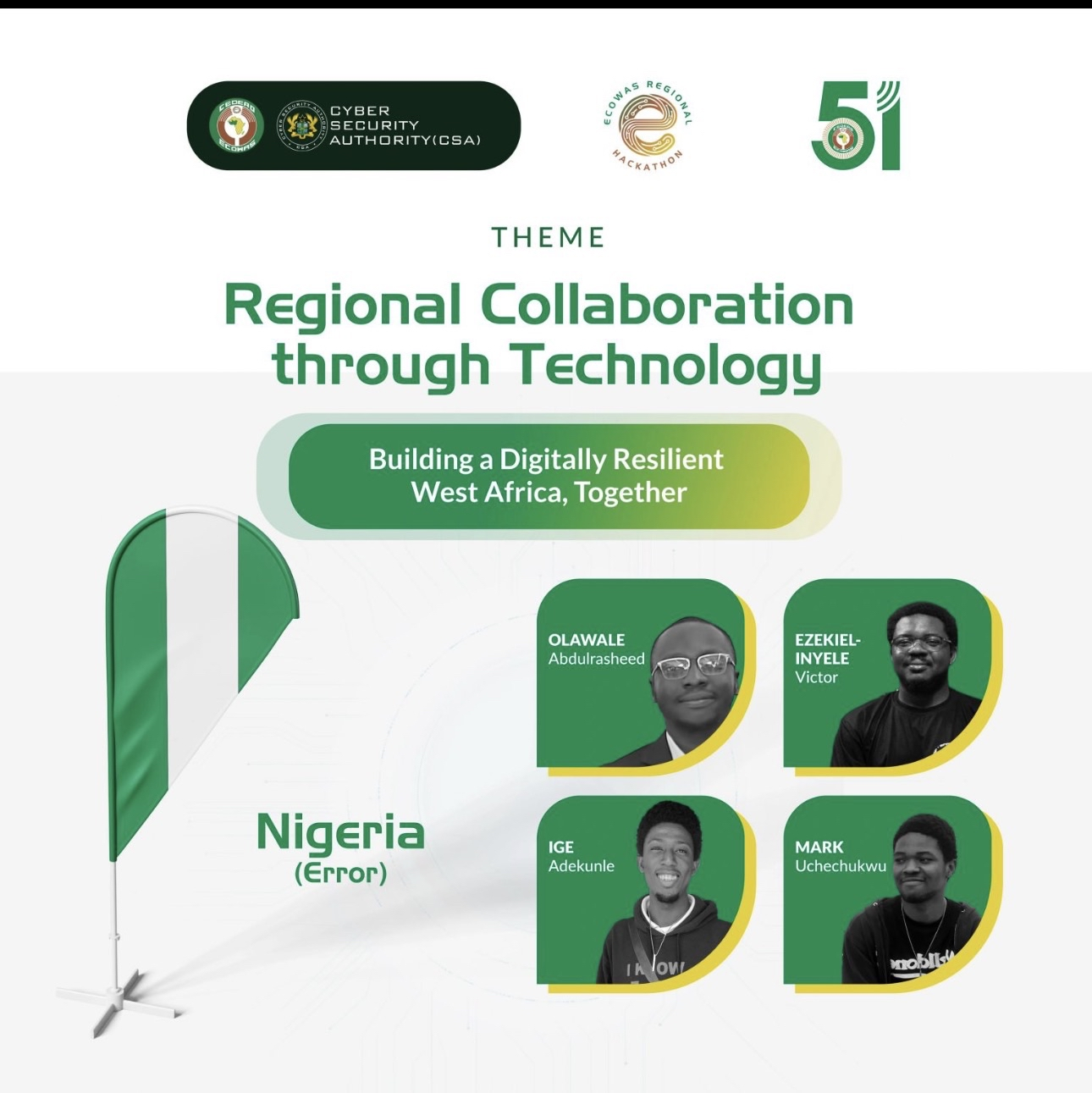
The finals, held in Accra, Ghana, brought together the best cybersecurity teams from across West Africa to compete for the regional championship.
Twelve teams representing twelve countries qualified for the finals:
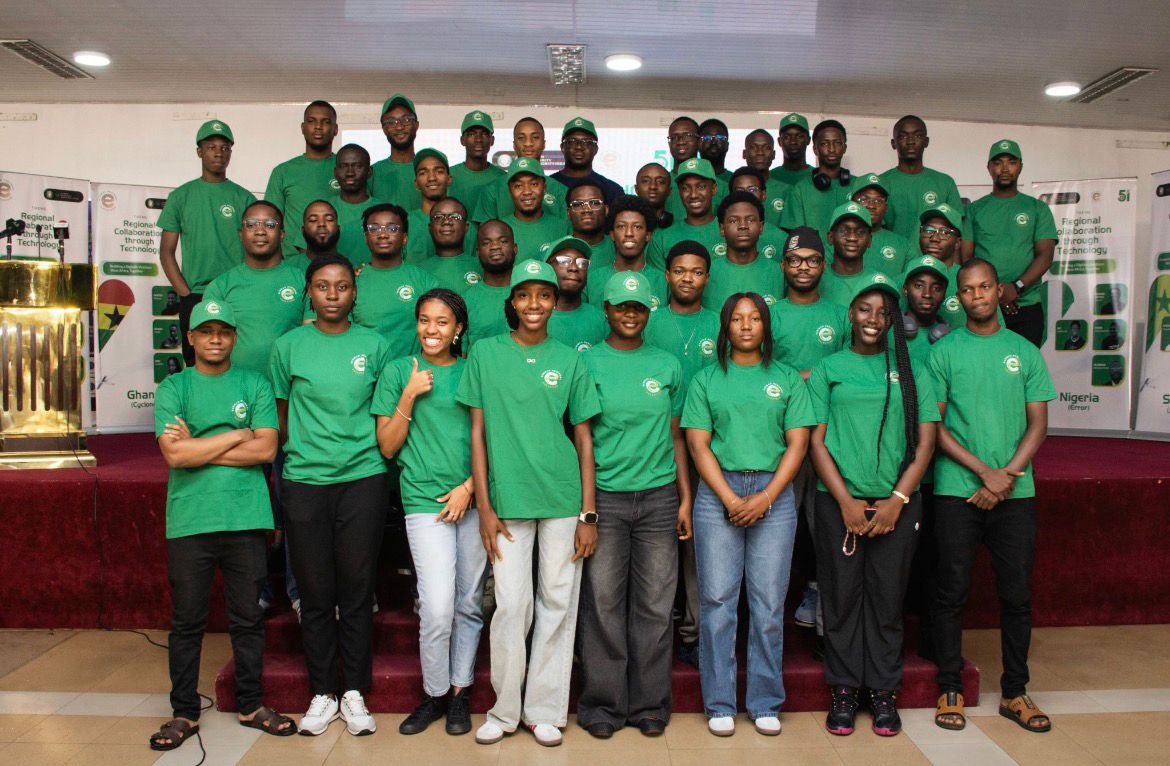
| Country | Team |
|---|---|
| 🇧🇯 Benin | Escadron |
| 🇨🇻 Cape Verde | CyberSharks |
| 🇨🇮 Côte d’Ivoire | Back2Root |
| 🇬🇲 Gambia | GamHunters |
| 🇬🇭 Ghana | CYCLONE |
| 🇬🇳 Guinea | SilySec |
| 🇬🇼 Guinea-Bissau | Cyber_gw |
| 🇱🇷 Liberia | Lyberia Cybers Warriors |
| 🇳🇬 Nigeria | error |
| 🇸🇳 Senegal | Jambars |
| 🇸🇱 Sierra Leone | Sudo-SL |
| 🇹🇬 Togo | RedTeam-TG |
Prior to the regional finals, a national qualification round was conducted to determine the team that would represent each country.
The qualification process consisted of three phases:
- Jeopardy
- King of the Hill (KoTH)
- Battleground
Our team, error, placed 1st nationally in all three phases, earning the opportunity to represent Nigeria at the ECOWAS Cybersecurity Regional Finals in Accra, Ghana.
Sunday, June 7: Arrival in Accra
Our flight to Accra was on Sunday, June 7. Before that, I had travelled back home to Lagos, Nigeria since I was at school, on Friday, June 5.
At the airport, I met up with my teammates, securedviki and proflamyt.
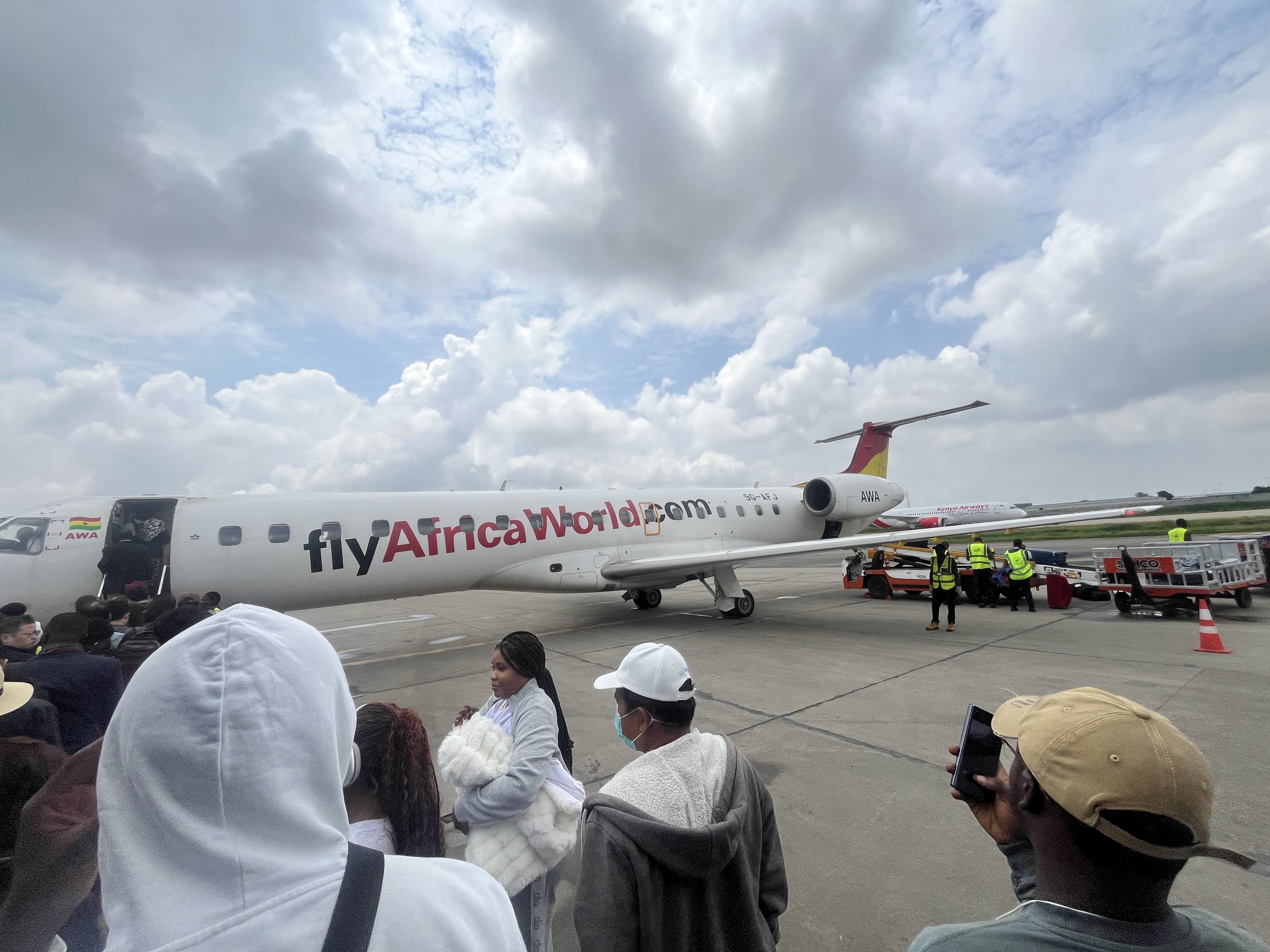
Our fourth teammate, Theory, was based in Dakar, Senegal at the time, so he travelled separately with the Senegalese team.
Upon arriving in Accra, a representative from the hotel was waiting to pick us up from the airport and take us to the venue.
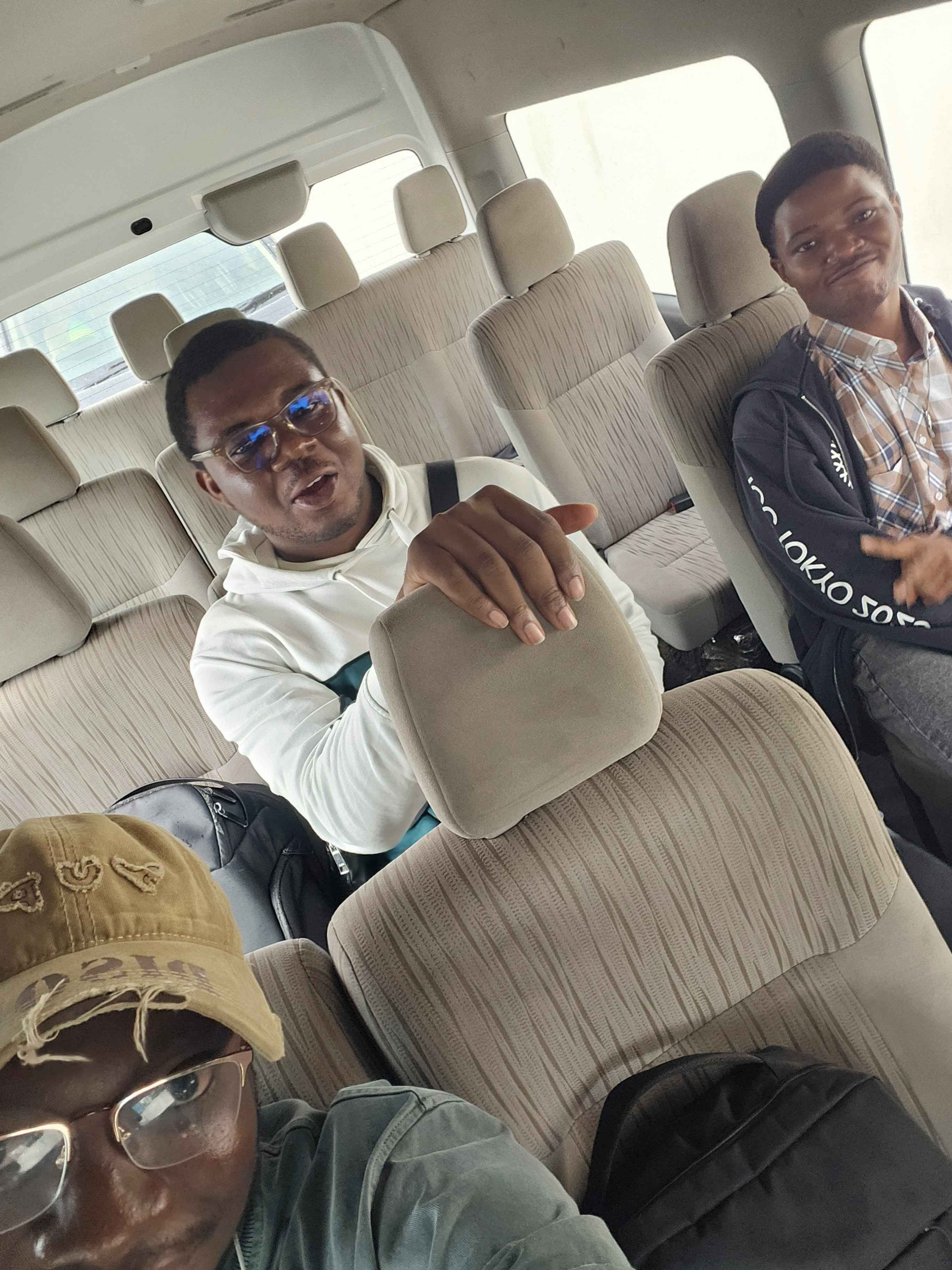
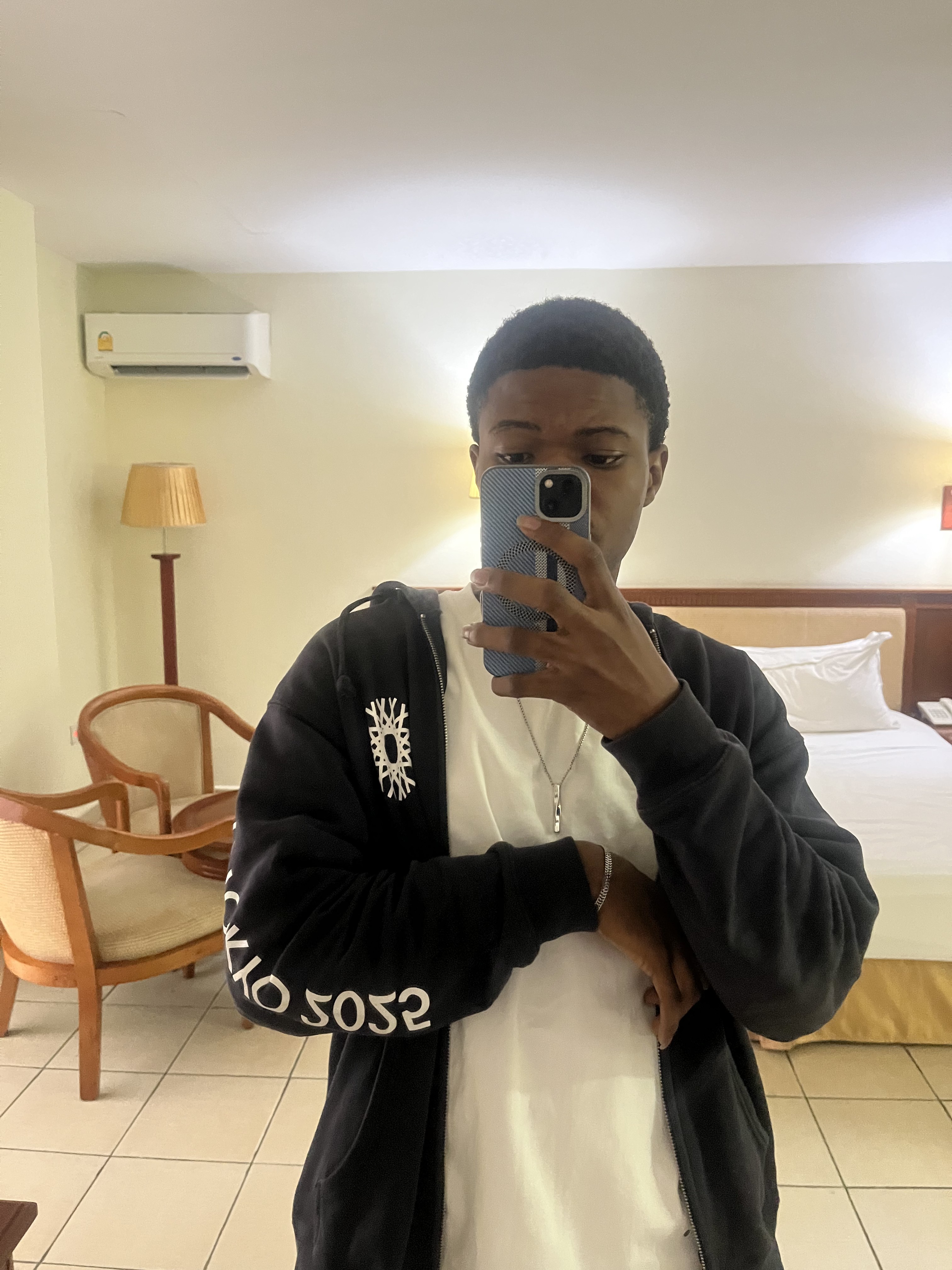
The check-in process was smooth, and each of us was assigned an individual room.
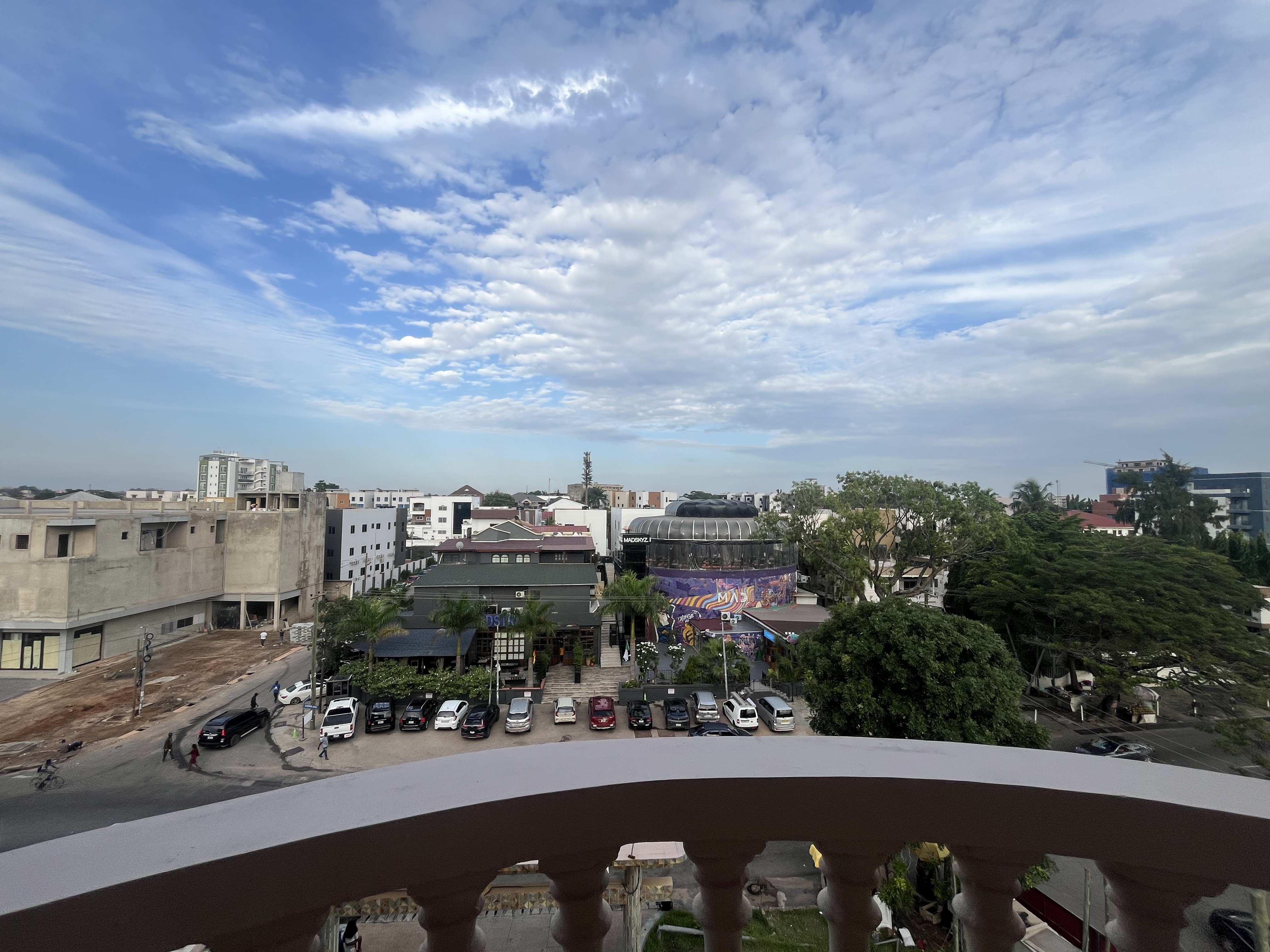
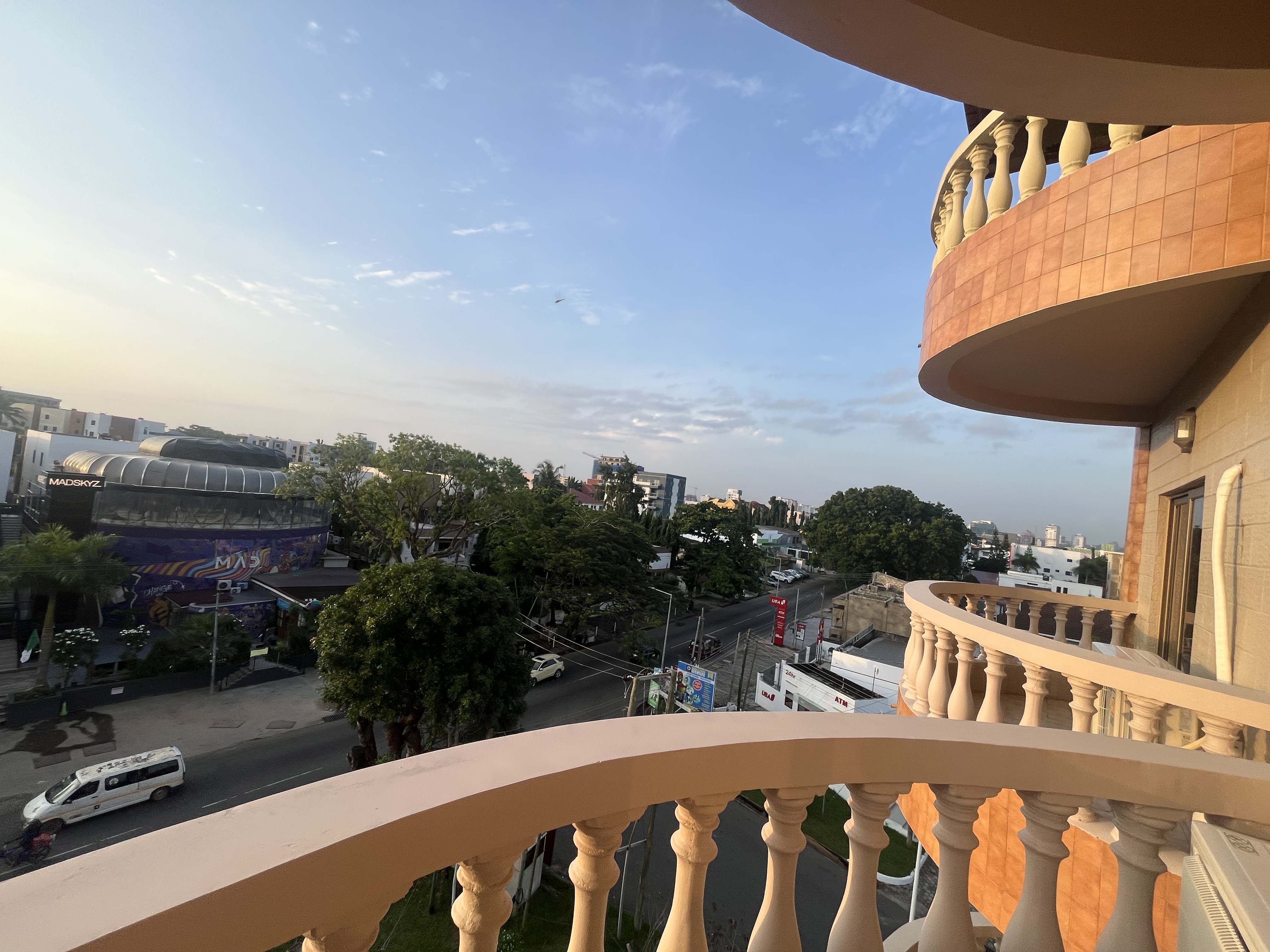
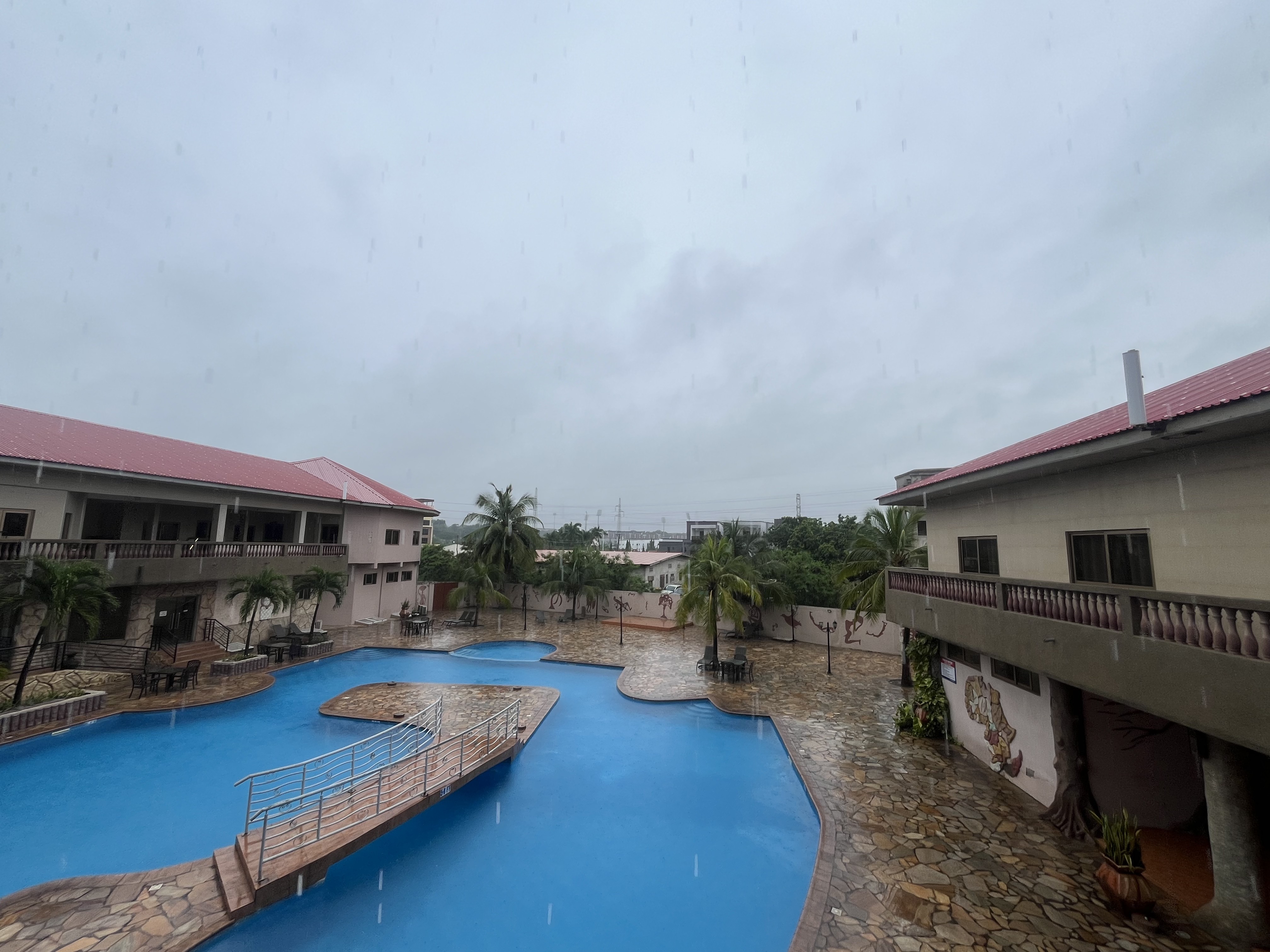
I also got some good view from the hotel room.
About two hours later, Theory, my closest friend, finally arrived. The last time I had seen him was during my three-month internship in Dakar, Senegal, so it felt really good to reunite after all that time.
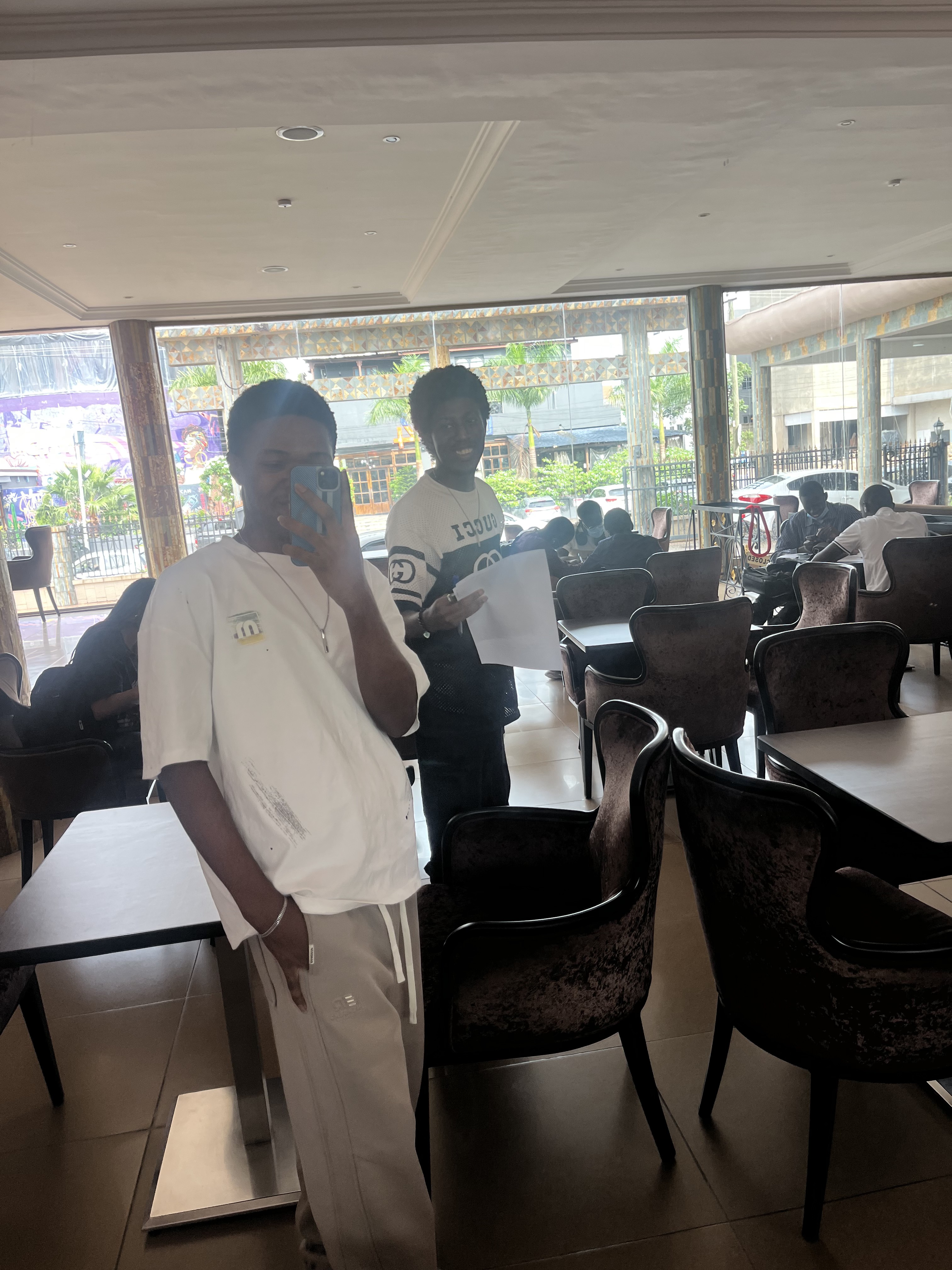
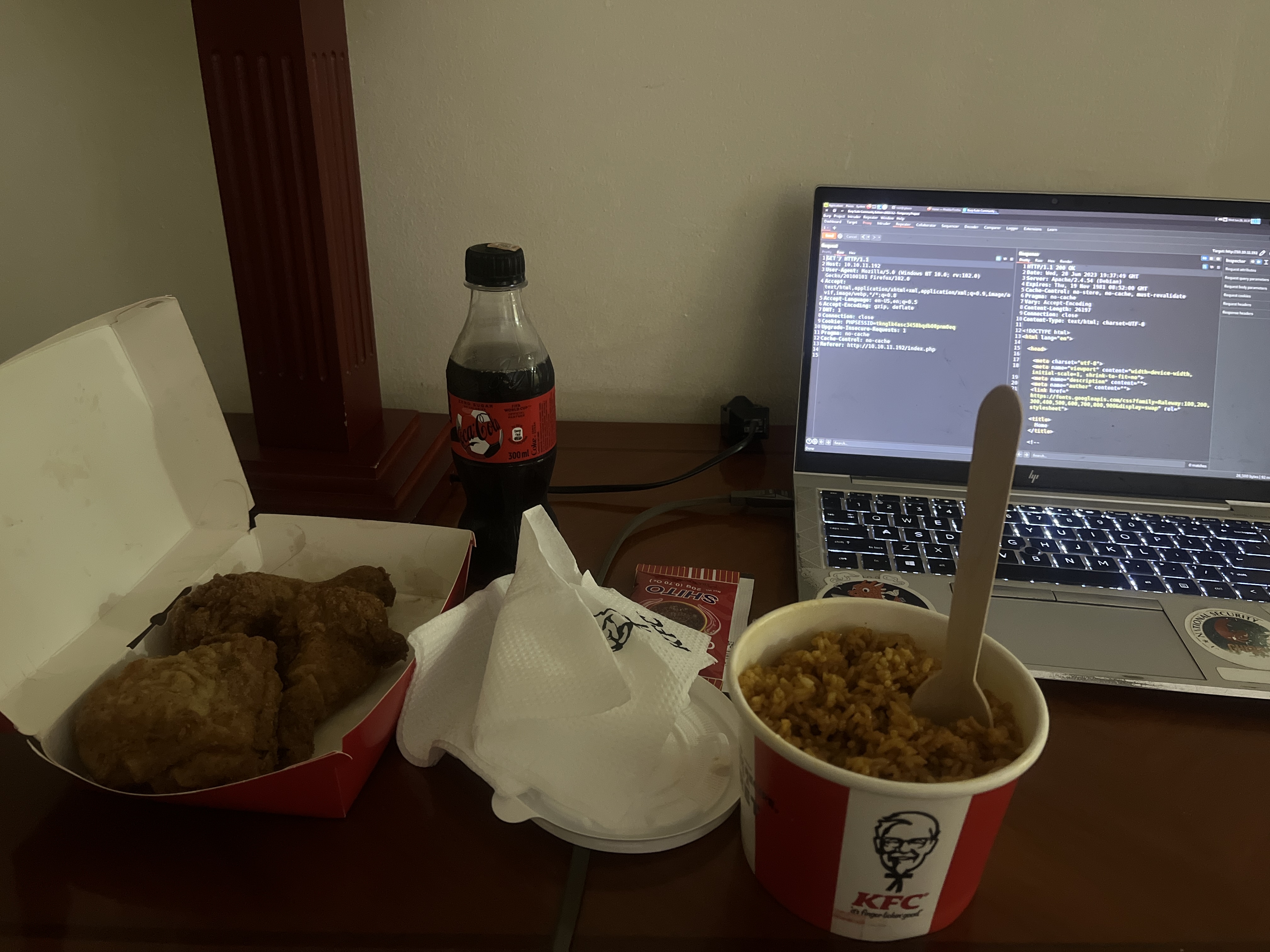
Later in the evening, we went out to grab something at the nearest KFC.
Monday, June 8: Briefing
Monday morning began with the official competition briefing, conducted by the organizers and Mrs. Folake Olagunju, Director of Digital Economy and Post at the ECOWAS Commission.
During the session, we were introduced to the competition format, schedule, and start times. We also received a piece of news that took some time to process: the scoreboard would remain hidden throughout the entire competition. Unlike most CTF events, we would have no way of knowing our standing relative to the other teams until the competition ended.
We were also informed that a separate women’s cybersecurity competition would take place later that evening.
The competition consisted of six phases:
| Order | Phase |
|---|---|
| 1 | Jeopardy (Round 1) |
| 2 | King of the Hill (Double Session, 4 Teams per Hill) |
| 3 | Code Review |
| 4 | Red vs Blue (Double Session) |
| 5 | Battleground (Double Session) |
| 6 | Jeopardy (Final Round) |
Based on our experience during the qualification rounds, we already had a strong suspicion about which phase would be the most decisive. King of the Hill had consistently created the largest point differences between teams, and we expected it to play a major role in determining the final standings.
Tuesday, June 9: Opening Ceremony
Tuesday morning started with a short opening ceremony before the competition officially began.
Each country was called to the stage with a song from their region playing in the background, and every team was expected to dance their way onto the stage as part of the introduction.
Needless to say, some teams handled this better than others 😭.
Phase 1: Jeopardy
The first phase of the competition was a large-scale Jeopardy round.
Many of the challenges were straightforward enough that a capable LLM could solve them with minimal human intervention. I suspect the organizers anticipated this. First bloods were appearing across the scoreboard at a pace I had never seen in a traditional CTF.
Every team had clearly come prepared, and some had obviously invested significant effort into developing and refining their AI-assisted workflows before arriving in Accra.
At that point, choosing not to use the same tools as everyone else was hardly an option. Refusing to adapt would have meant falling behind on principle.
The competition quickly became as much a race between AI workflows as it was a test of technical skill.
The Jeopardy round stretched well beyond the opening day. We were still solving challenges late into Tuesday night and continued working through Wednesday morning.
Phase 2: King of the Hill
King of the Hill (KOTH) began at 9:00 a.m. on Wednesday. Going into the round, we already knew this was likely where the competition would be won or lost.
For those unfamiliar with KOTH, the objective is simple: gain access to a shared target machine, escalate privileges to root, and then patch the vulnerability you used so that other teams cannot exploit the same path.
To prove ownership of the machine, teams must write their team name to /root/team.txt. The first team to claim a hill receives a bonus, and additional points are awarded for every scoring tick that your team’s name remains in the file. To keep things competitive, the machine is reset every hour, forcing teams to repeat the process and fight for control all over again.
Unlike Jeopardy, where teams solve challenges independently, KOTH is a direct contest between competitors. Every point you gain comes at someone else’s expense.
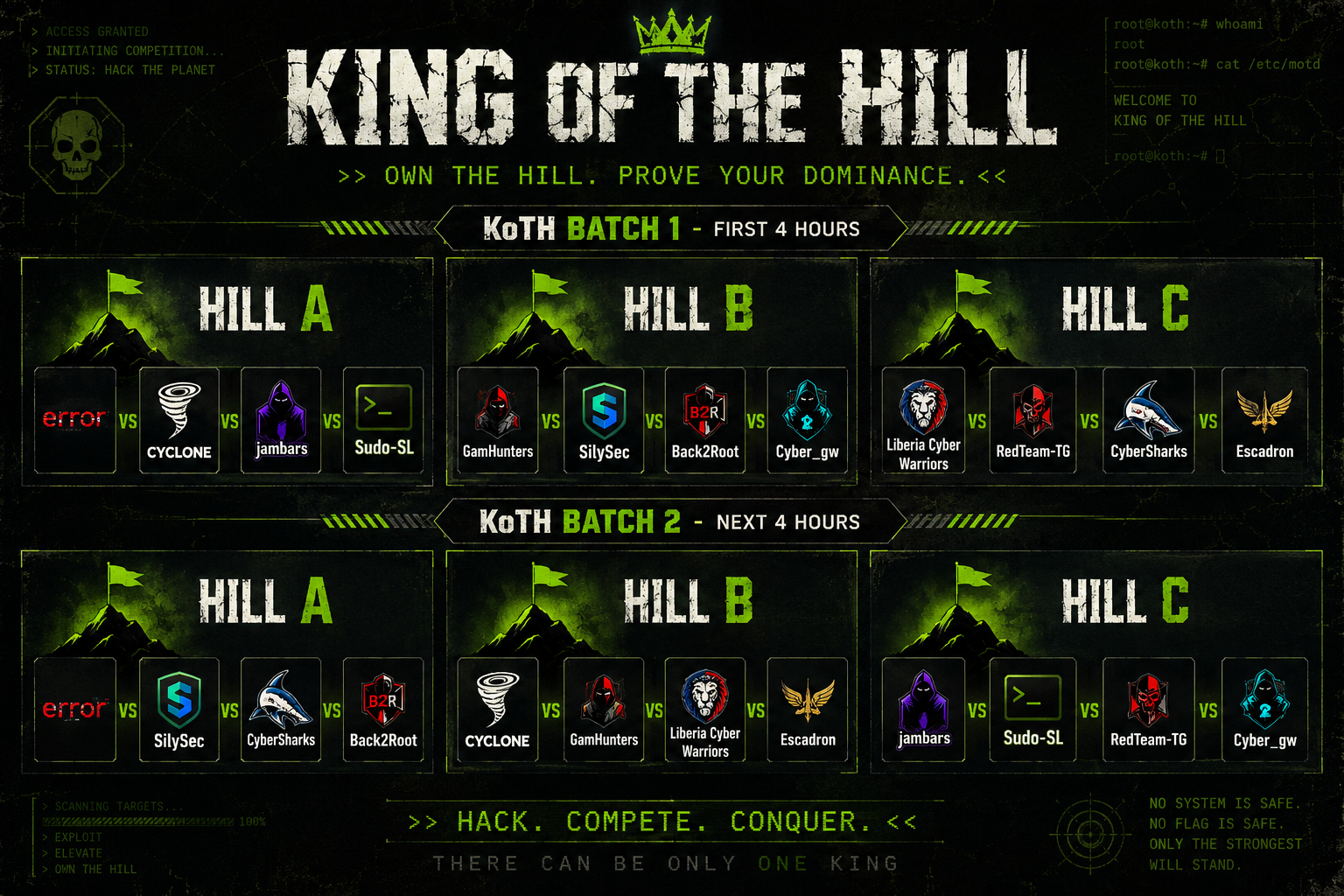
For the first KOTH session, we were matched against CYCLONE (Ghana), Jambars (Senegal), and Sudo-SL (Sierra Leone).
Once the round began, we quickly gained access to the target machine, escalated privileges, and successfully patched the vulnerability before any of the other teams could take control.
As a result, we secured the maximum possible score of 1000 points, a feat matched by only one other team, SilySec (Guinea).
After securing the machine, we automated the process. We developed scripts that would automatically exploit the target, gain control, and apply our patches whenever the machine was reset.
Since each hill was reset every hour, having a reliable automation pipeline significantly reduced the time required to reclaim ownership and allowed us to focus on improving our defenses and preparing for subsequent rounds.
Phase 3: Code Review
The next phase was Code Review, and honestly, it was a welcome change of pace. After the AI-driven rush of the Jeopardy round, it was refreshing to have a challenge that required teams to sit down and actually read code.
The format was straightforward. An administrator would project a piece of C or web application code on a screen, and each team had to:
- Identify the vulnerability
- Explain how it should be patched
Although it was never formally presented this way, the challenges naturally fell into two categories: web and pwn.
Fortunately for us, those were areas where our team was particularly strong. We had strong pwners and web players in the team, making this round feel much closer to our comfort zone. The “manual side of things”.
Several teams took their turns before us. The vulnerabilities covered a wide range of common security issues, including SQL injection, Cross-site Scripting (XSS), Buffer Overflow, Integer Overflows, Prototype Pollution and a number of others.
When our turn came, we were presented with a challenge similar in spirit to the illustrative example below:
1
2
3
4
5
6
7
8
9
10
11
12
13
14
15
<?php

class Logger
{
    public $filename;
    public $data;

    public function __destruct()
    {
        file_put_contents($this->filename, $this->data);
    }
}

$data = $_POST['data'];
$obj = unserialize($data);
Again, just an example. Can you spot the vulnerability, name it, and explain how to patch it? If yes, then you’ve got a pretty good idea of what the Code Review round was testing. The whole phase was about recognizing insecure code patterns quickly and accurately.
Phase 4: Red vs Blue
The next phase was Red vs Blue, a format that forces teams to attack and defend at the same time.
Each team is given a vulnerable machine. The objective is to exploit your opponent’s system to retrieve their flag while simultaneously securing your own infrastructure against incoming attacks. Success requires balancing offensive and defensive efforts under significant time pressure.
For our match, we were paired against SilySec (Guinea).
The round started well for us. We were the first team to successfully compromise the opposing machine and capture their flag, earning the coveted first blood bonus.
However, the victory was not entirely one-sided. Before we could fully secure and patch our system, SilySec managed to gain access to our machine and retrieve our flag as well.
Phase 5: Battleground
Much like King of the Hill, teams were required to compromise a target machine. However, instead of maintaining control over the system, the objective was simply to retrieve and submit the user and root flags as quickly as possible. Speed was everything.
For this round, we were paired against CyberSharks (Cape Verde).
We managed to capture the user flag first. However, CyberSharks were faster when it came to privilege escalation and secured the root flag before we could.
By this stage of the competition, we still had no idea where we stood overall because the scoreboard remained hidden. However, after the Code Review phase, the organizers had briefly given us a glimpse of the rankings.
Based on what we saw and our performances in the subsequent rounds, we suspected that we were somewhere in the top three, although there was no way to be certain.
Final Jeopardy
The final phase of the competition was another Jeopardy round, but this time the scoring worked differently.
Unlike the opening Jeopardy session, this round did not have its own standalone ranking. Instead, every point earned was added directly to each team’s cumulative competition score. At that stage, leaderboard position was irrelevant the only thing that mattered was maximizing points.
Our goal was this: solve as many challenges as possible, collect every flag we could, and keep pushing until the very end.
Regardless, we stayed focused on the competition itself. We kept solving, submitting, and chasing every available point right up until the timer finally reached 00:00:00:00.
Results Ceremony
When the timer finally hit zero, nobody celebrated.
To be honest, there wasn’t even much relief. We were exhausted from days of competition, still had no idea where we stood, and could do nothing but wait for the results.
The awards ceremony felt longer than any of the competition rounds. Team after team was called to the stage. Certificates were handed out, photos were taken, and the suspense only grew. Even at that point, we still had no idea whether we had done enough.
Then came the moment that changed everything.
The host announced that the three remaining teams should stand up and move to the back of the room.
We stood.
That was the moment it finally sank in: we had made the podium. Out of every team that had qualified from across West Africa, we were in the final three.
For the first time since the competition began, we knew that all the preparation, the qualification rounds, the late nights, and the pressure had been worth it.
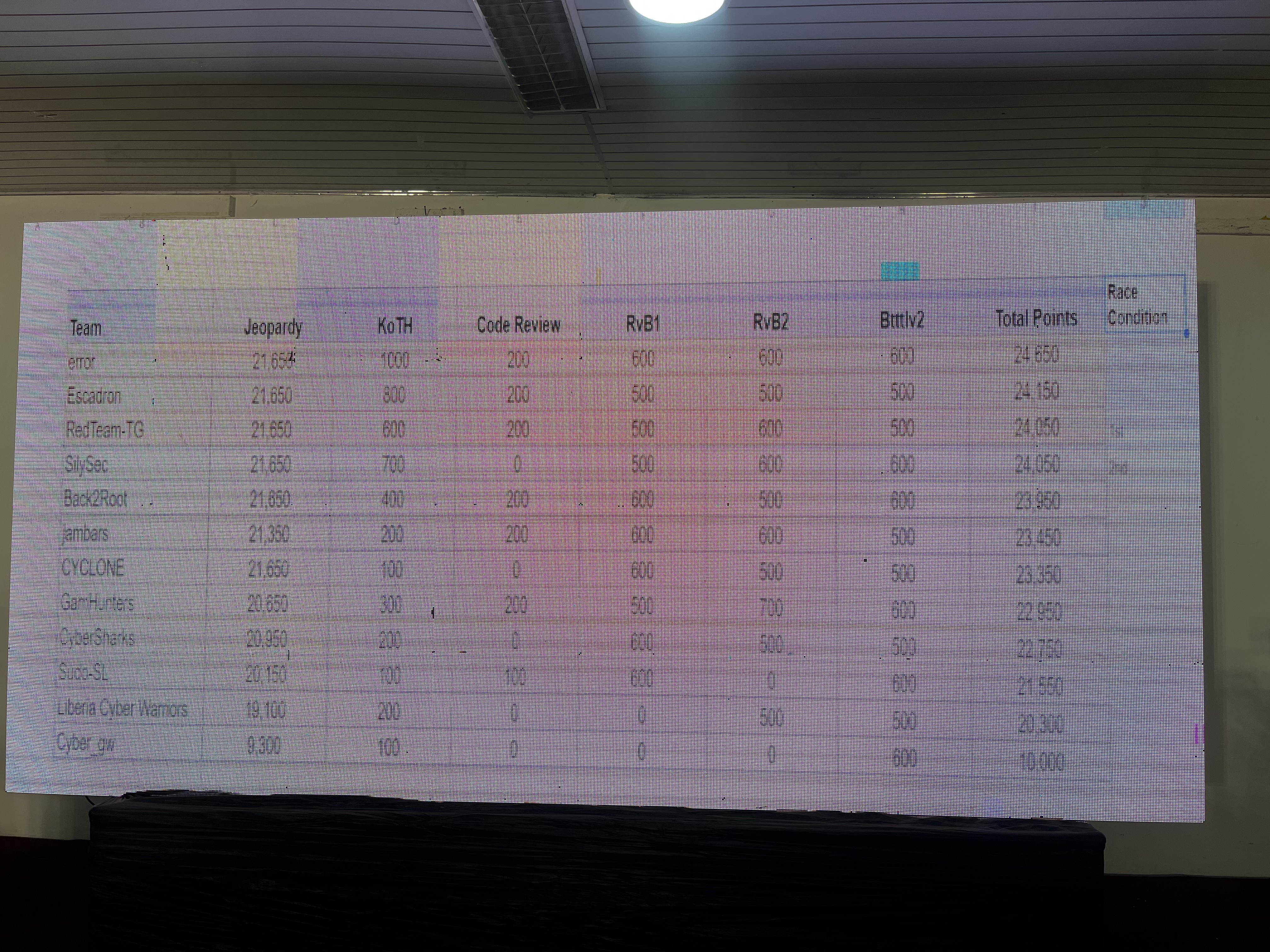
Final standings - ECOWAS Hackathon 2026 Grand Final
| Rank | Country | Team |
|---|---|---|
| 🥇 1st | 🇳🇬 Nigeria | error |
| 🥈 2nd | 🇧🇯 Benin | Escadron |
| 🥉 3rd | 🇹🇬 Togo | RedTeam-TG |
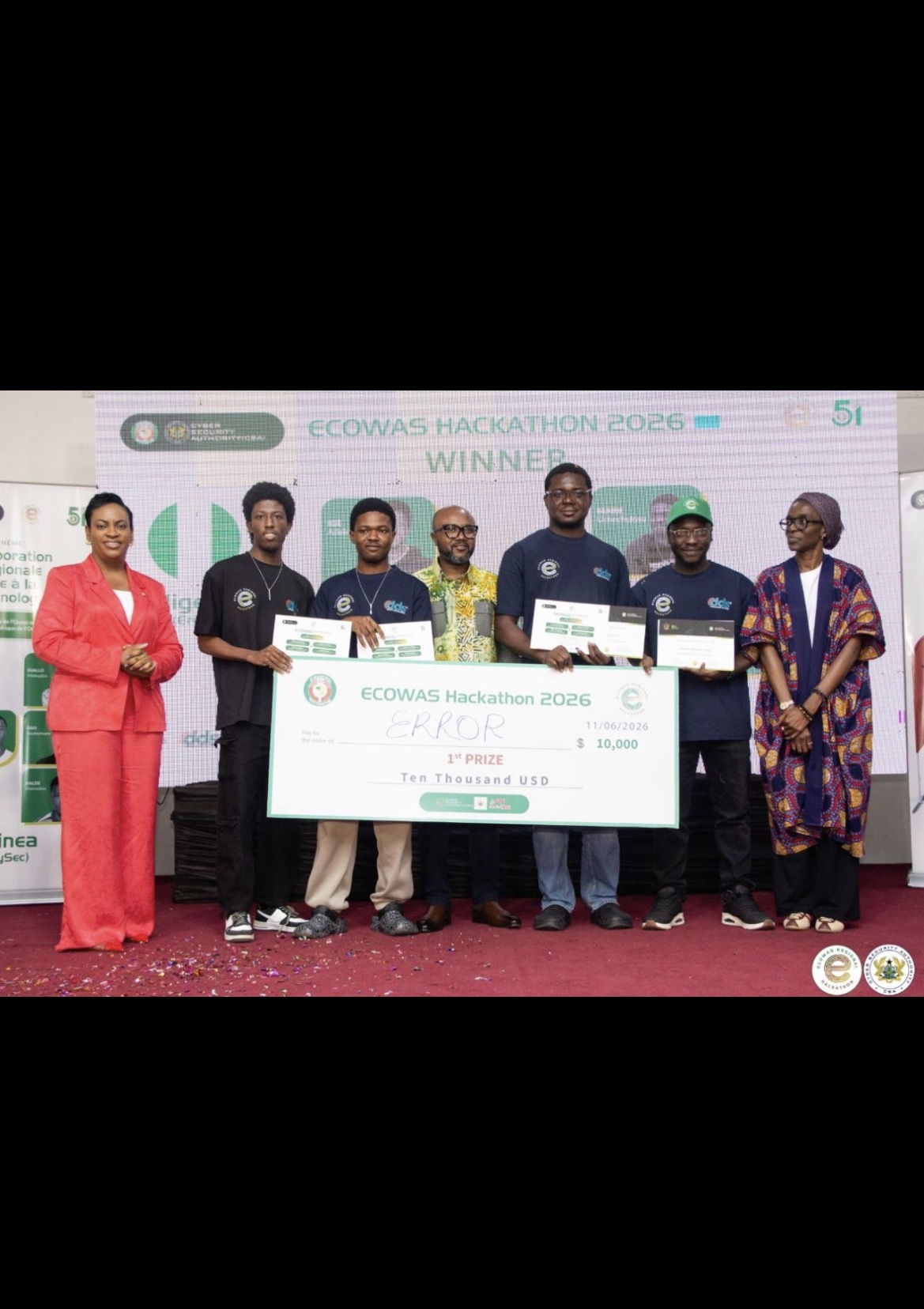
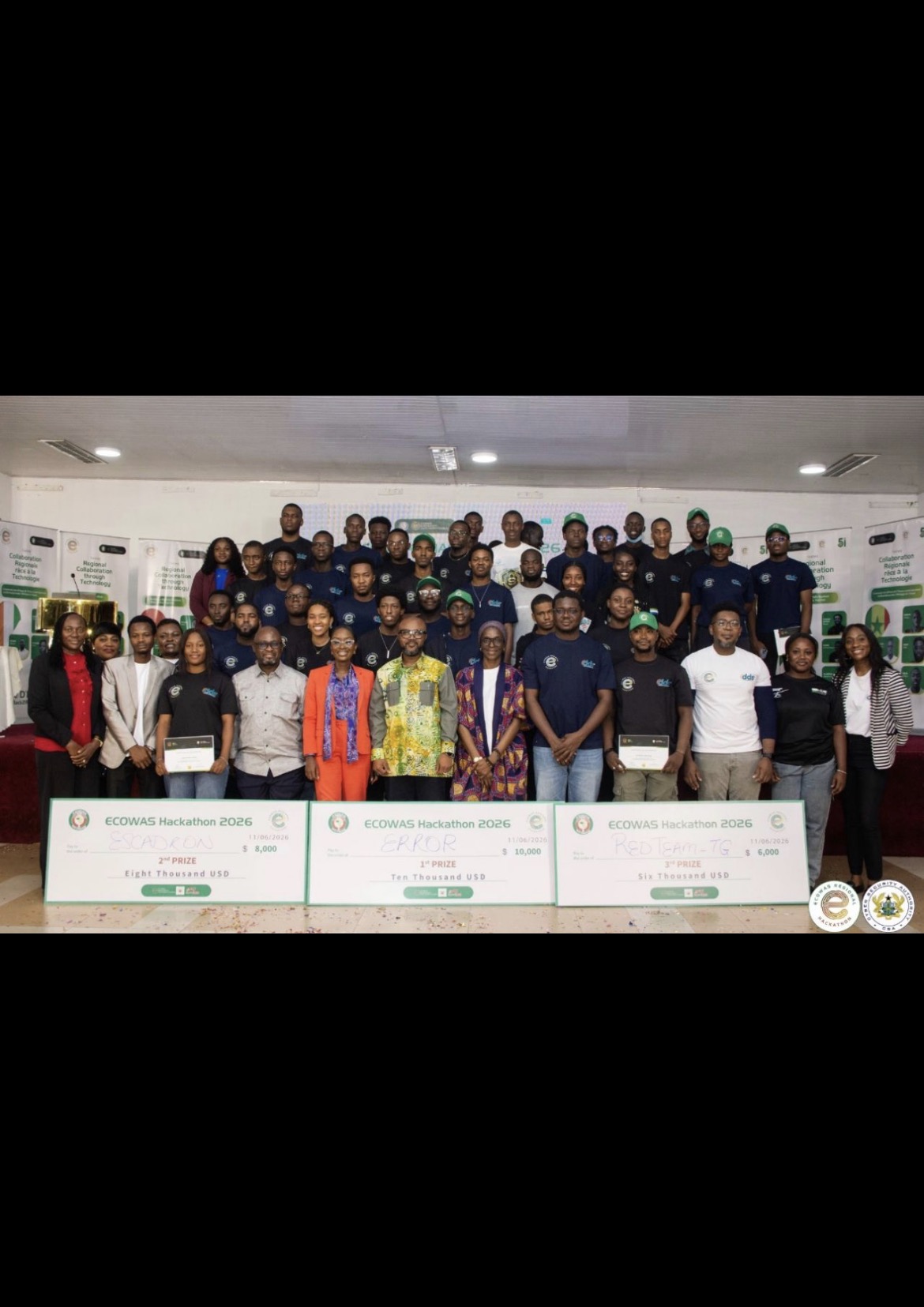
For the first time, after several years of coming close, we finally stood at the top of the podium as the 1st place.
| Year | Placement |
|---|---|
| 2022 | 🥈 Second |
| 2023 | 🥉 Third |
| 2024 | 🥉 Third |
| 2025 | 🚫 Not Held |
| 2026 | 🥇 First |
I’m incredibly proud of what we achieved as a team. This result wasn’t just about technical skill, it was the product of years of perseverance, consistency, preparation, and hard work.
To my teammates - securedviki, proflamyt, and Theory..thank you for everything. Competing alongside you has been a privilege. You are all exceptional players, and I’m proud of what we accomplished together.
From three consecutive podium finishes to finally taking first place, this victory made every hour of preparation worth it. 😭🏆🇳🇬
Photos
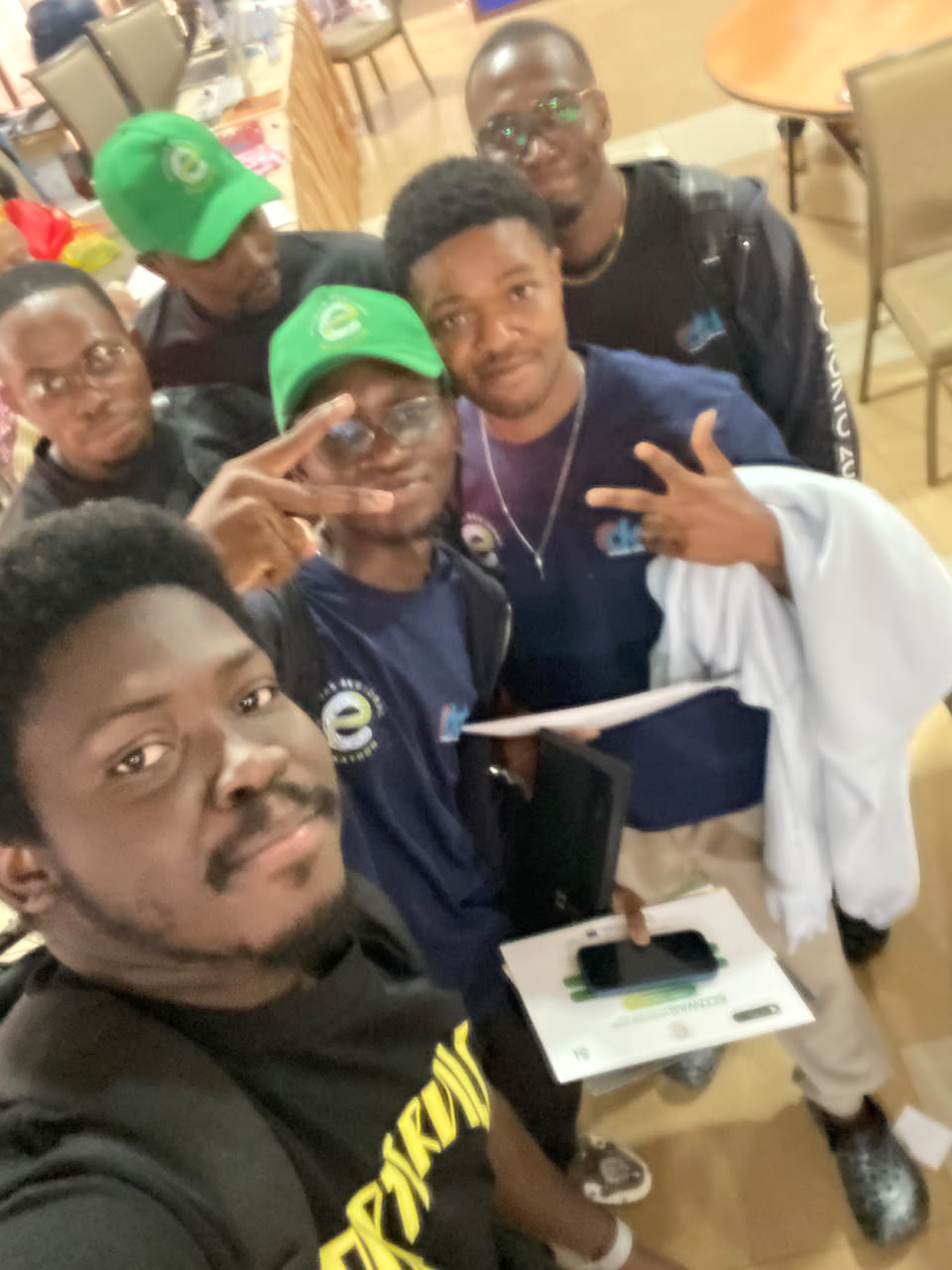
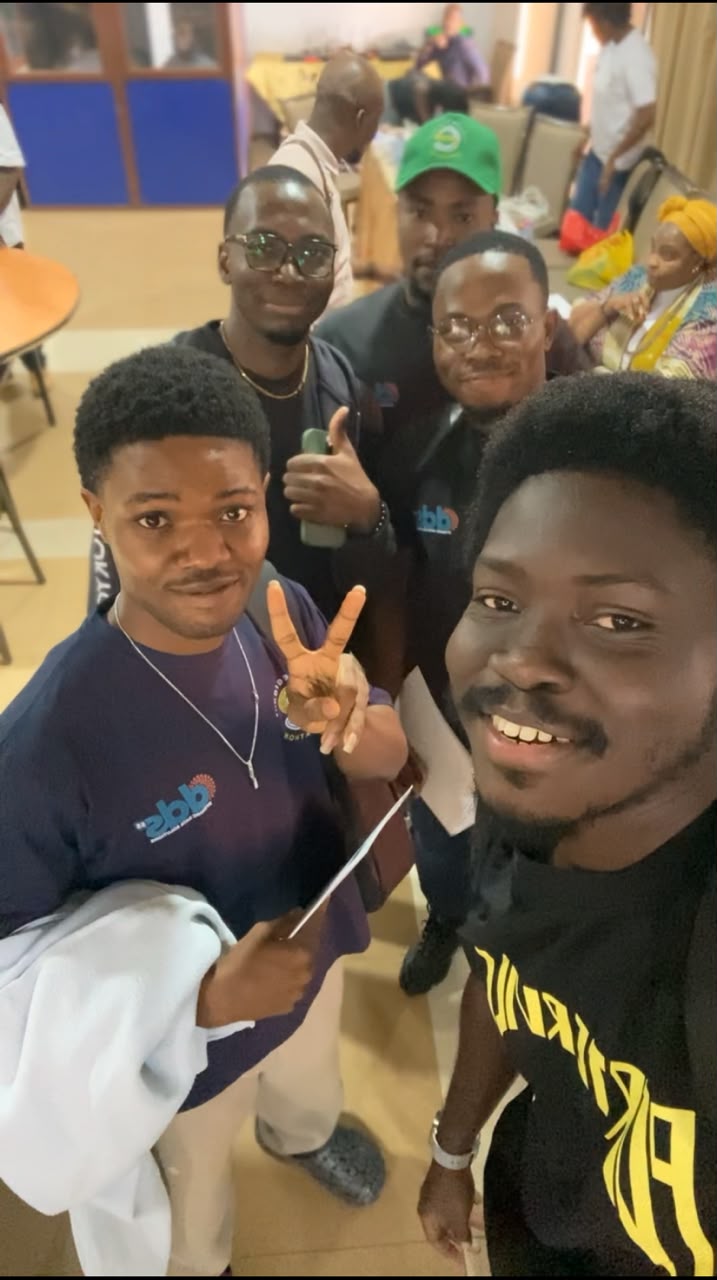
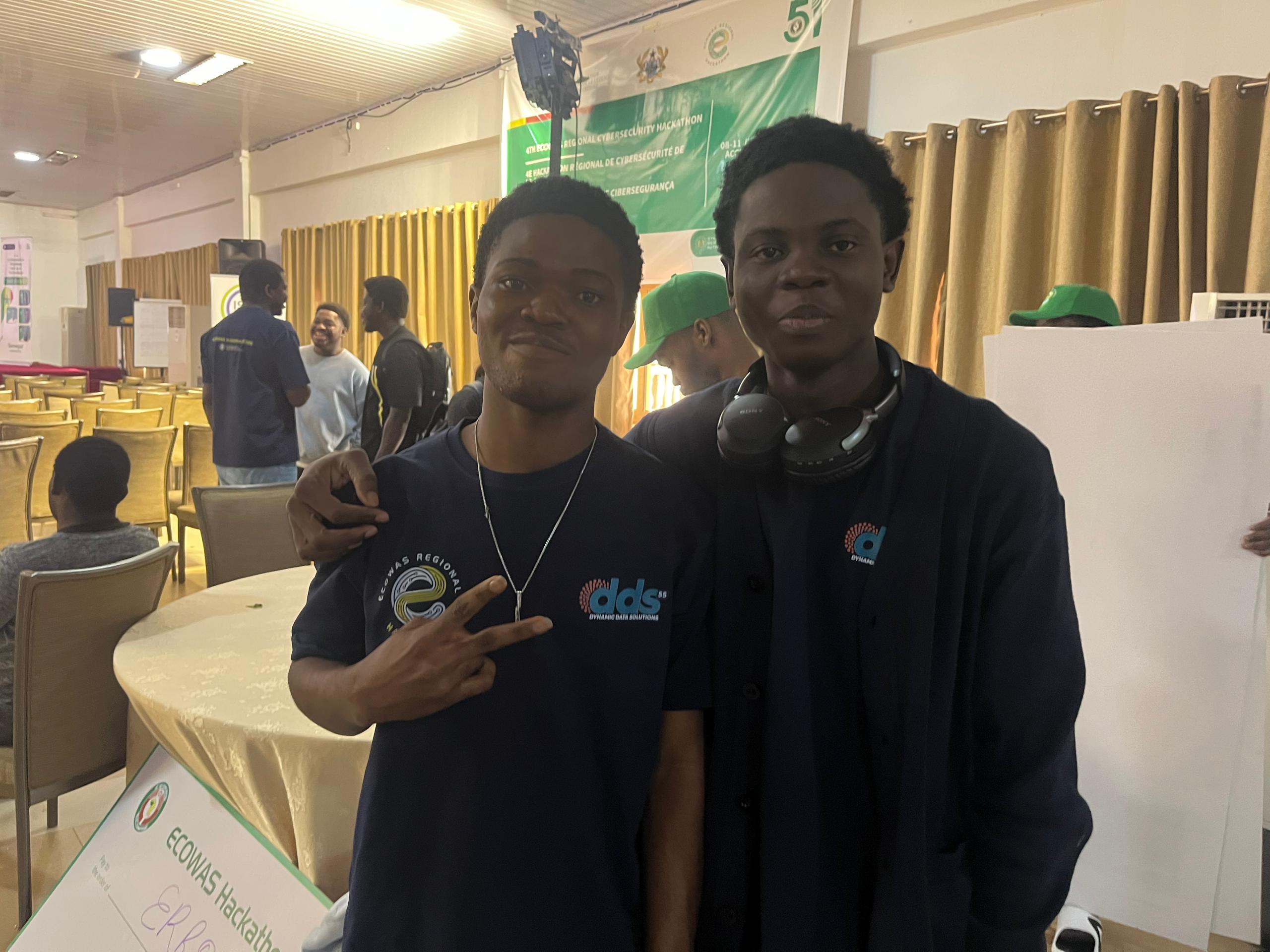
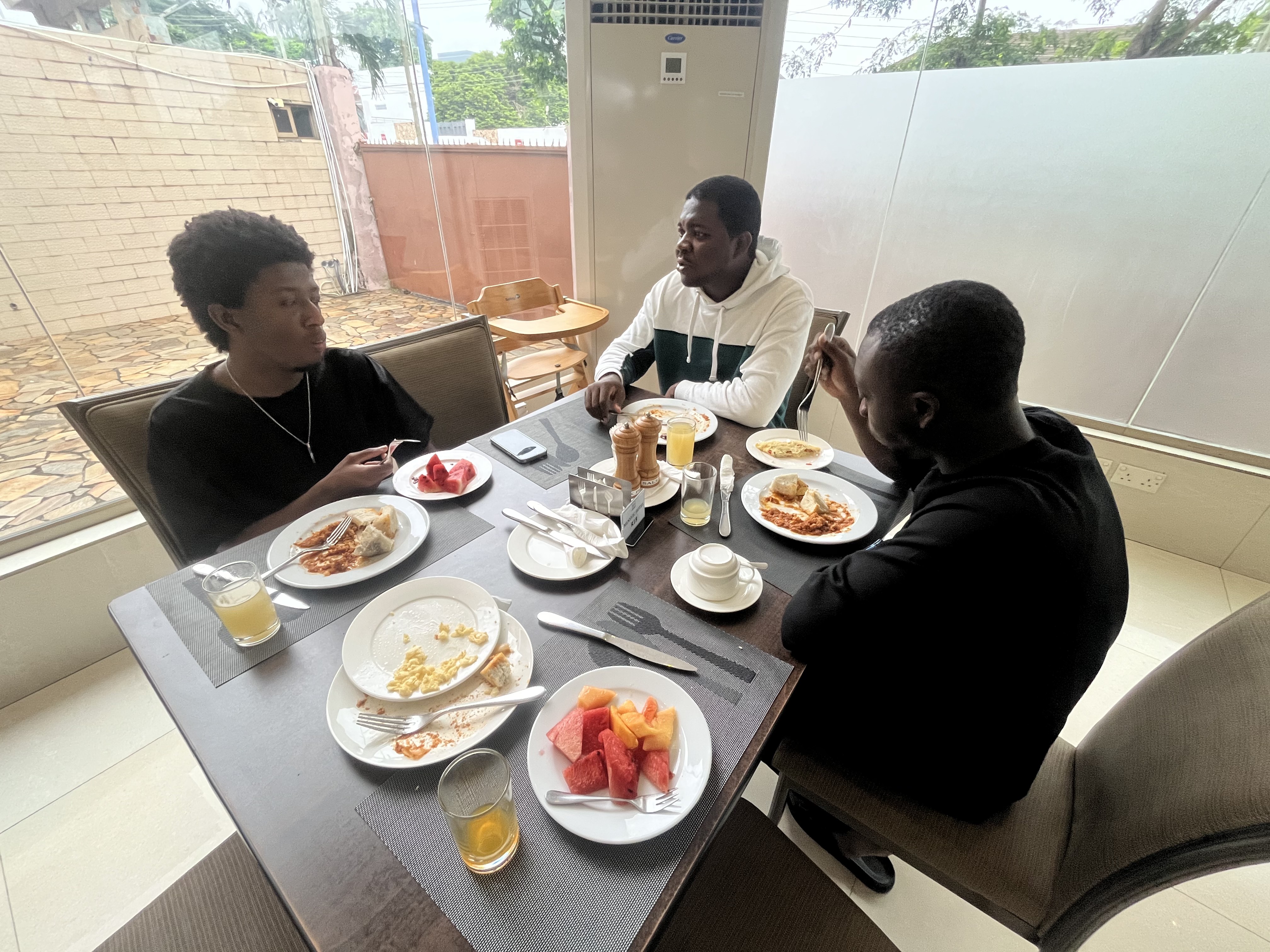
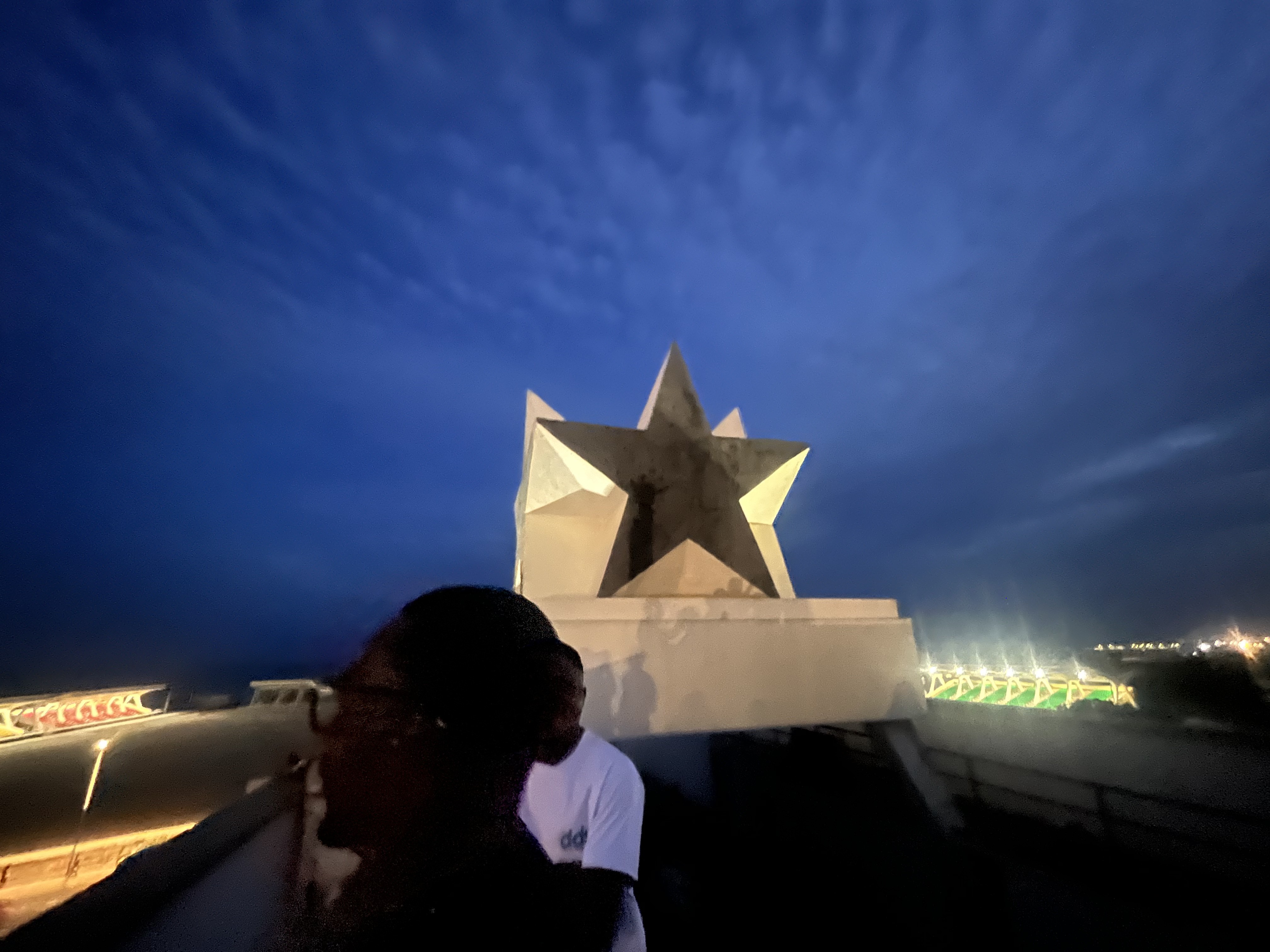
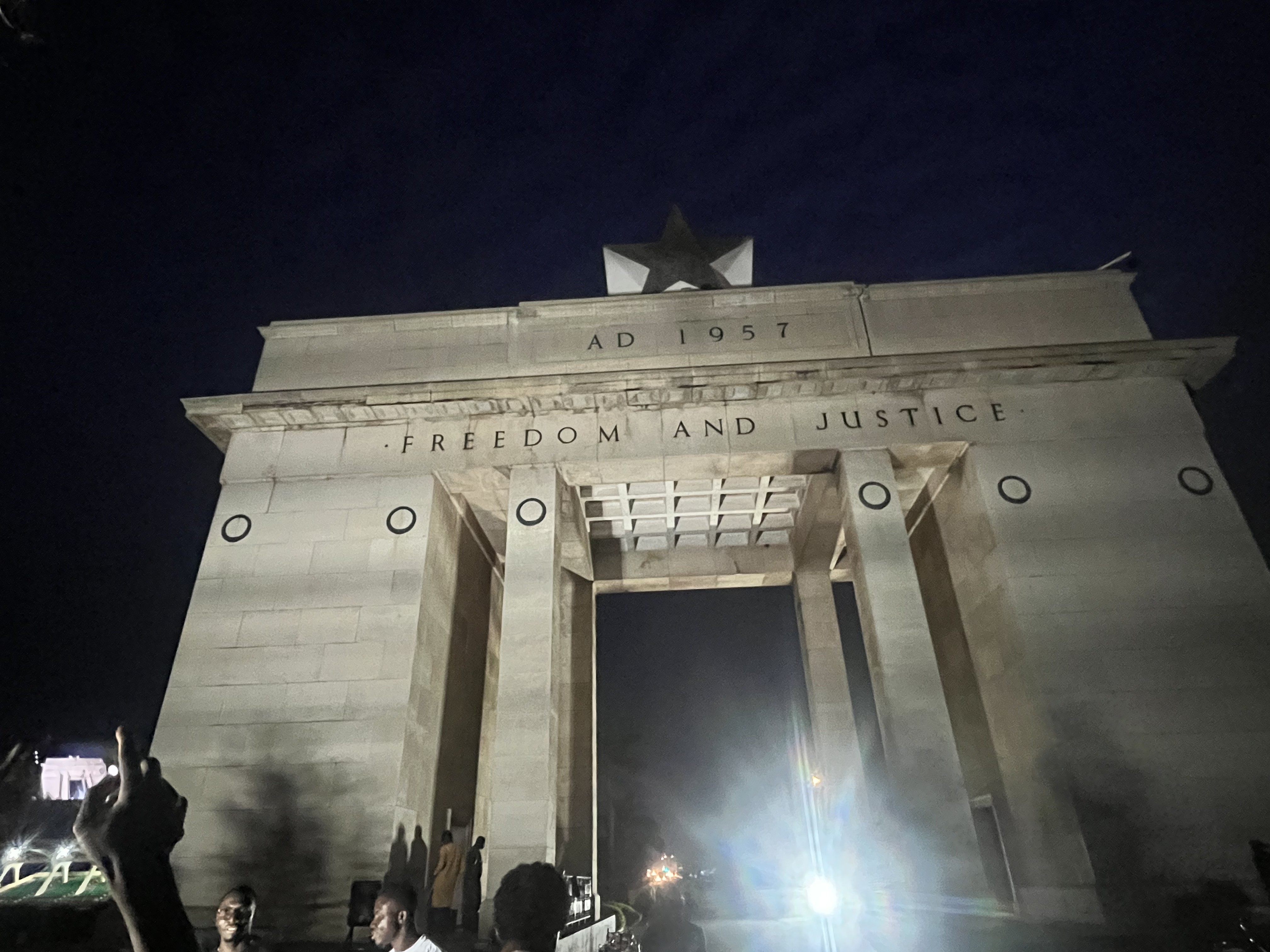
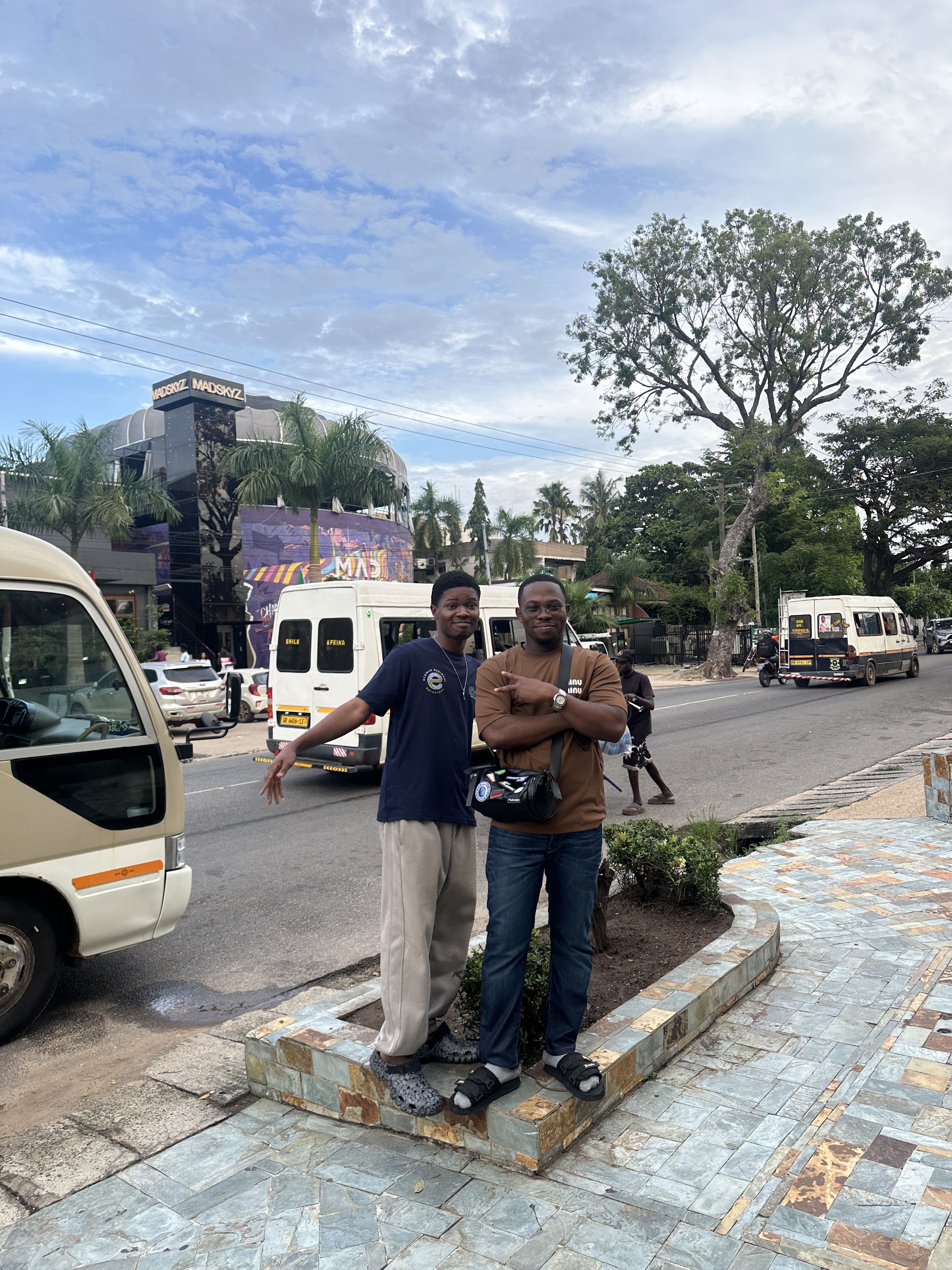
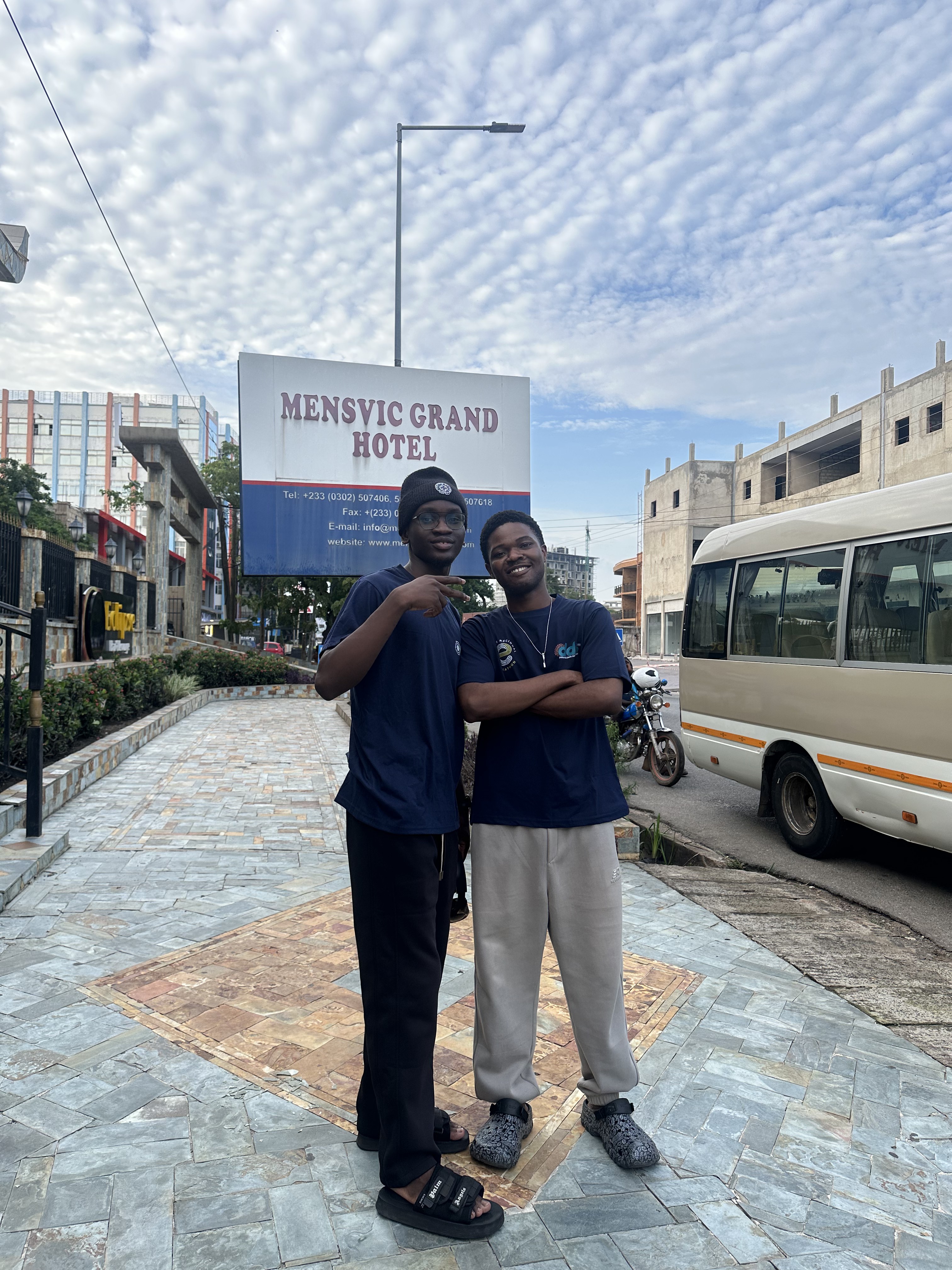
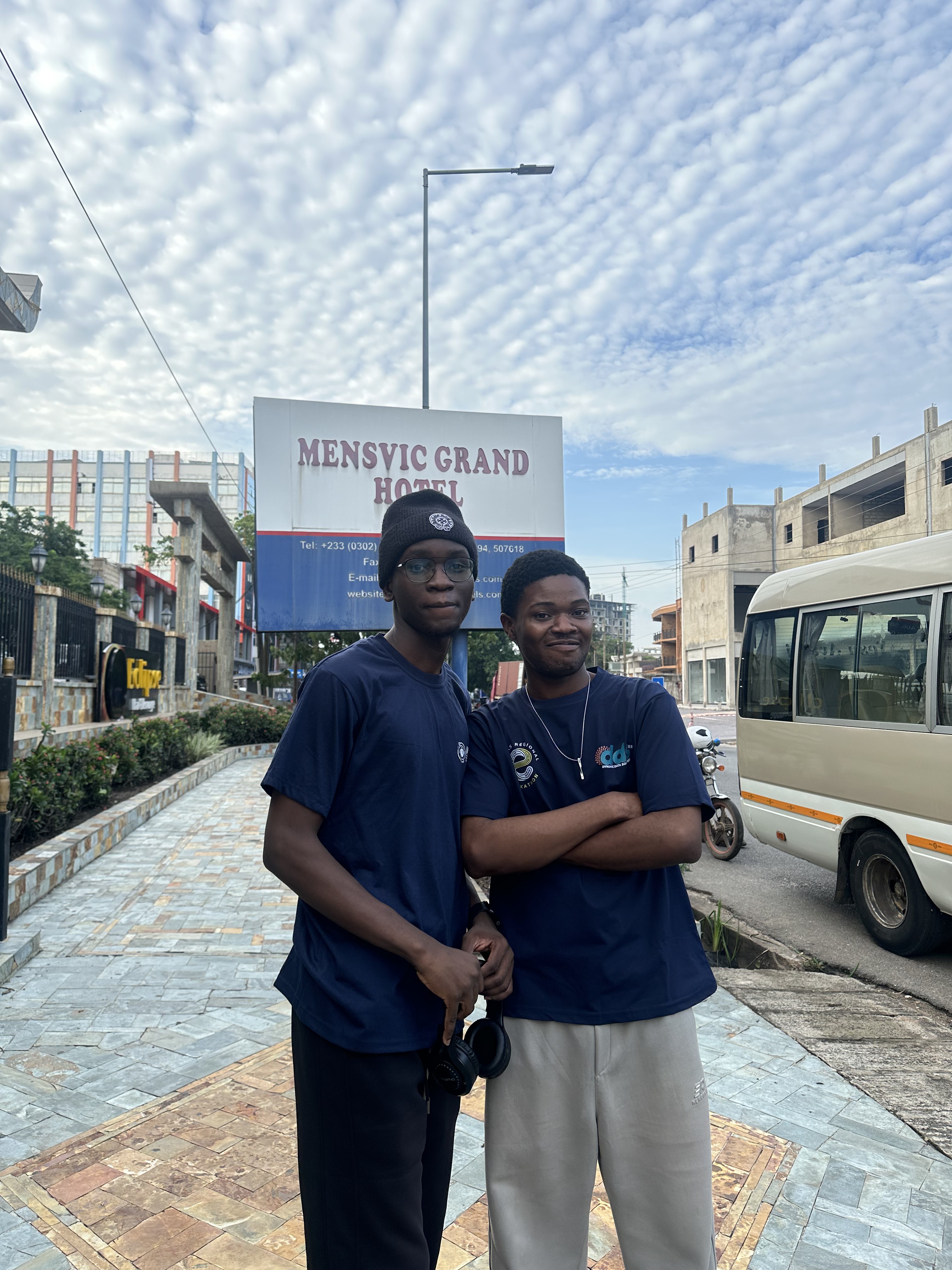
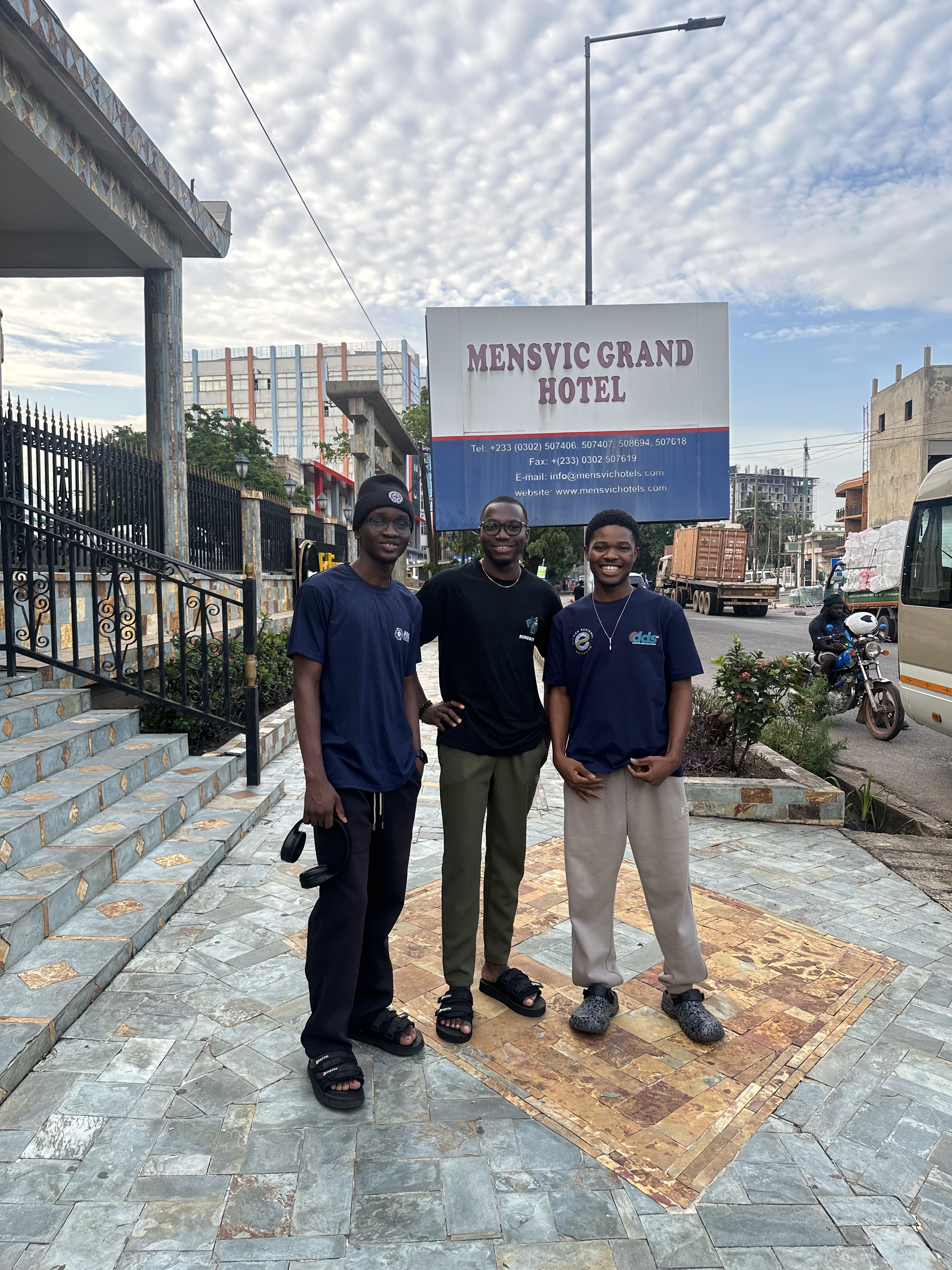
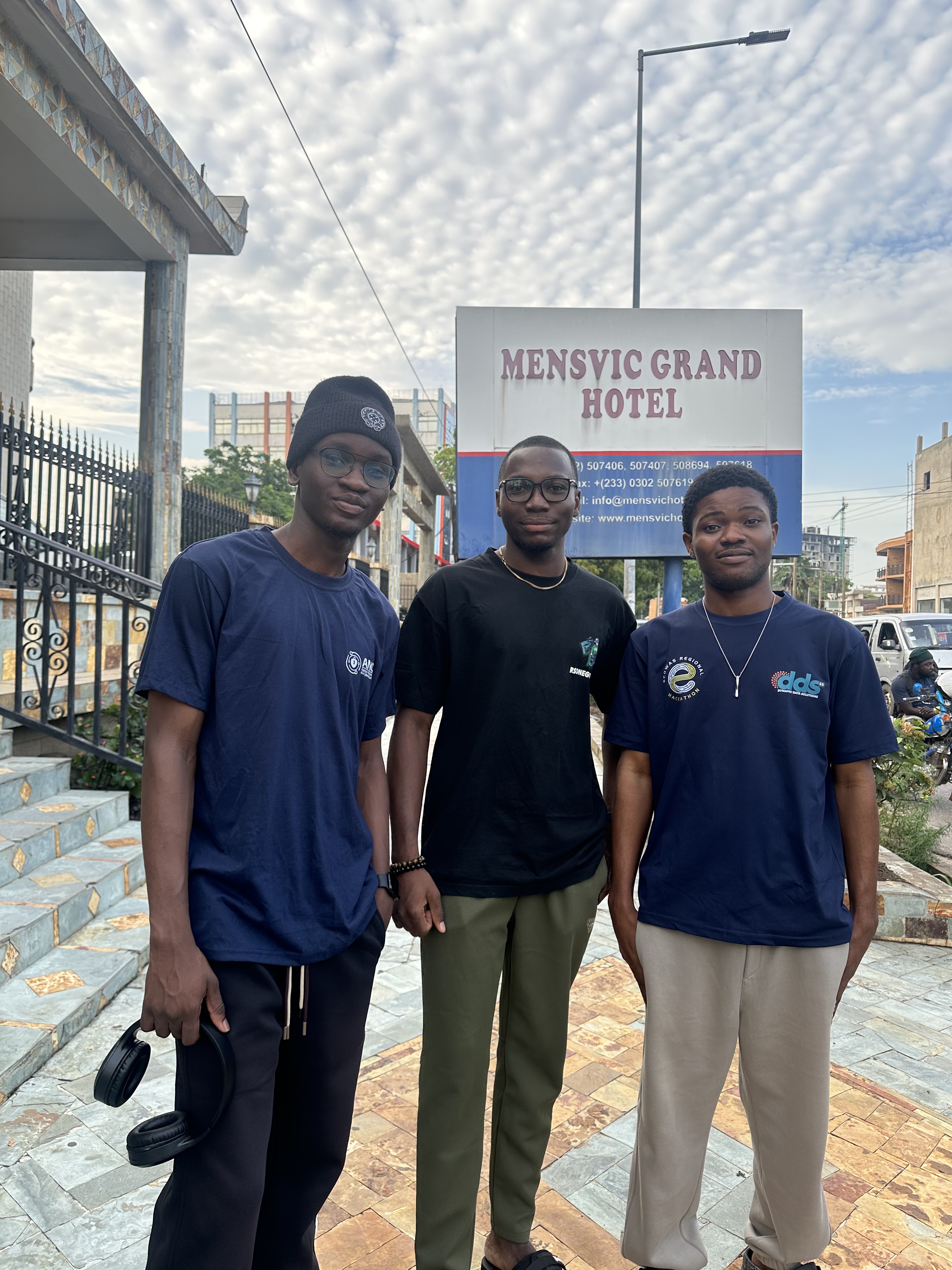
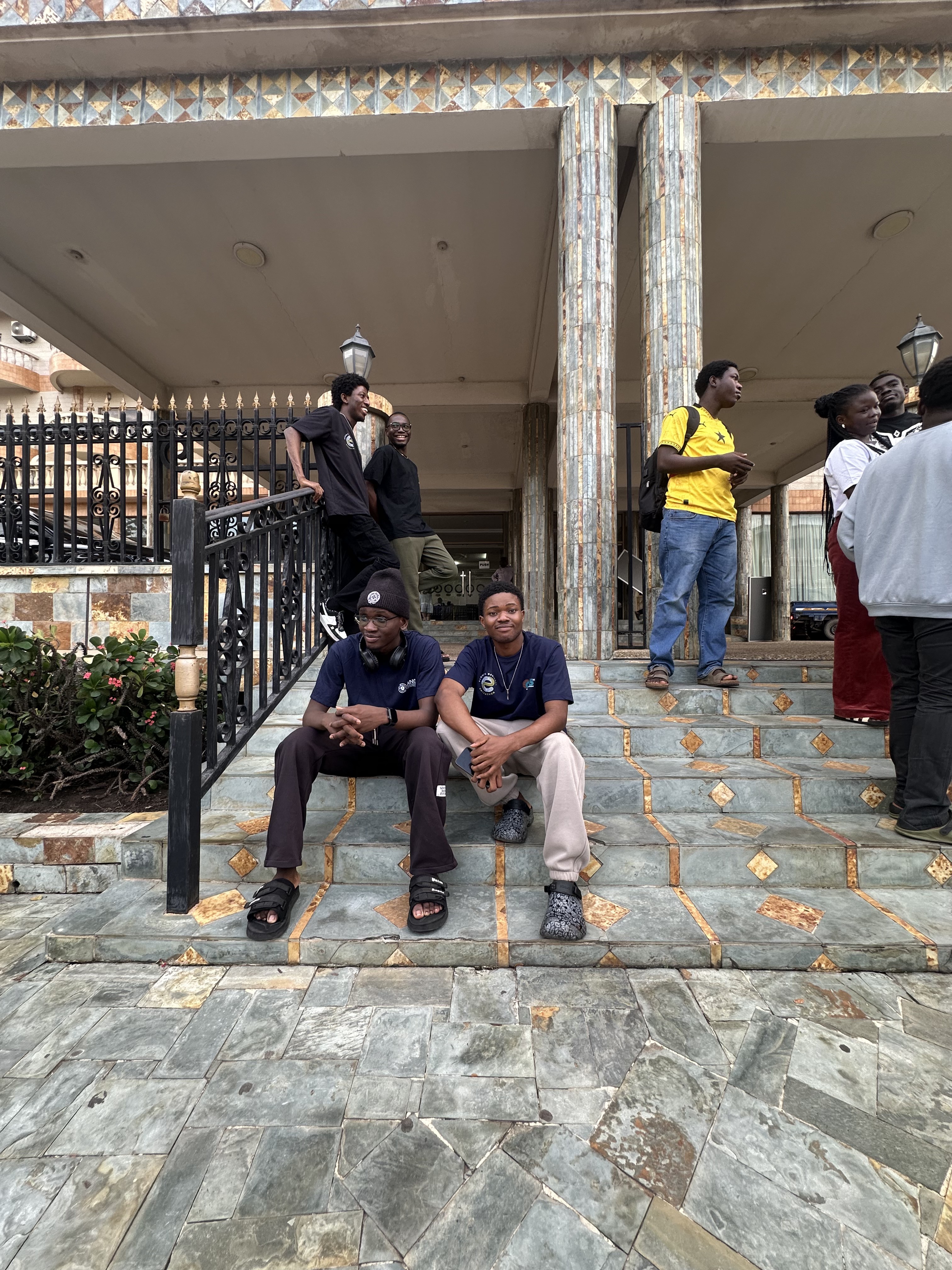
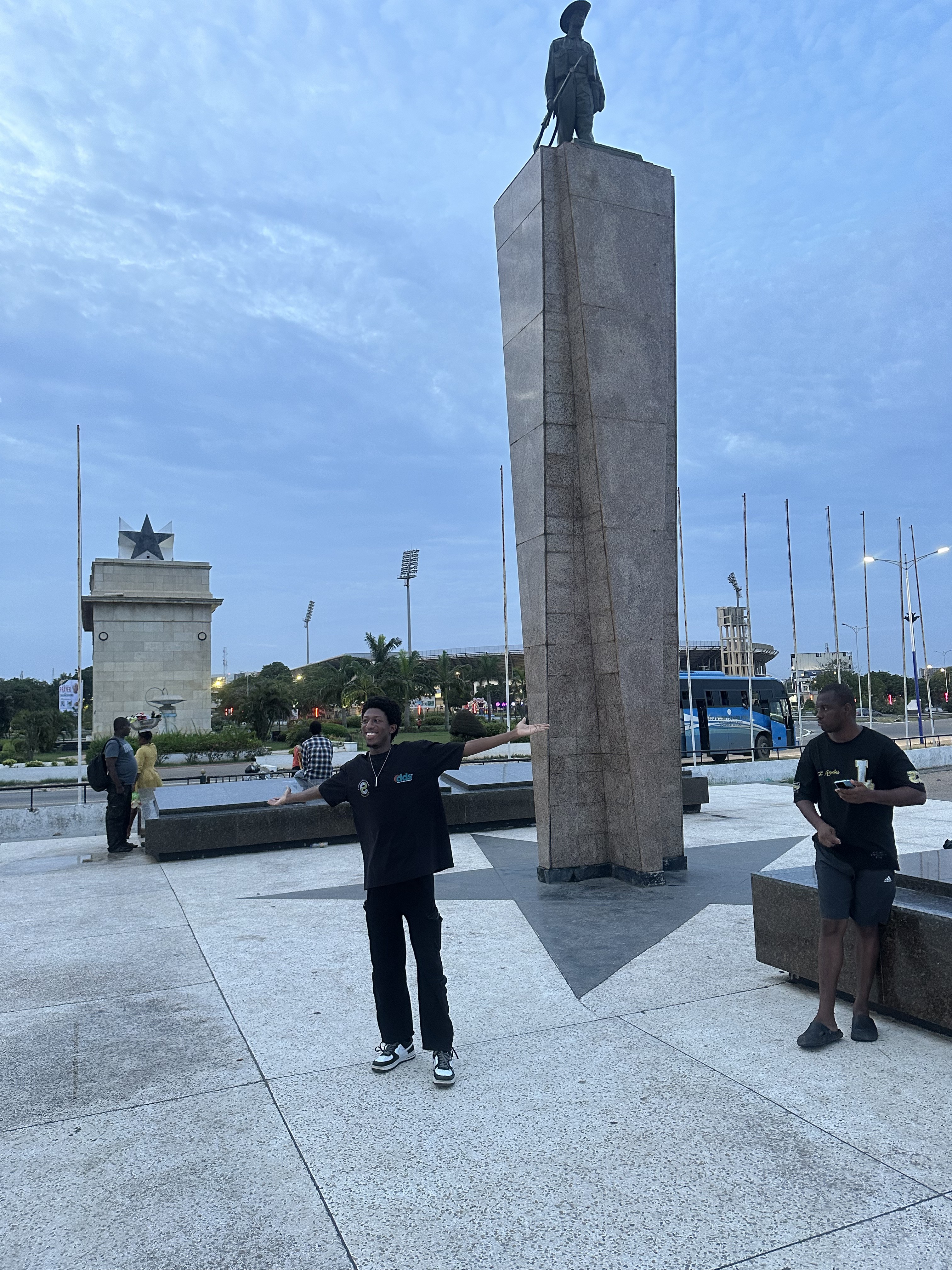
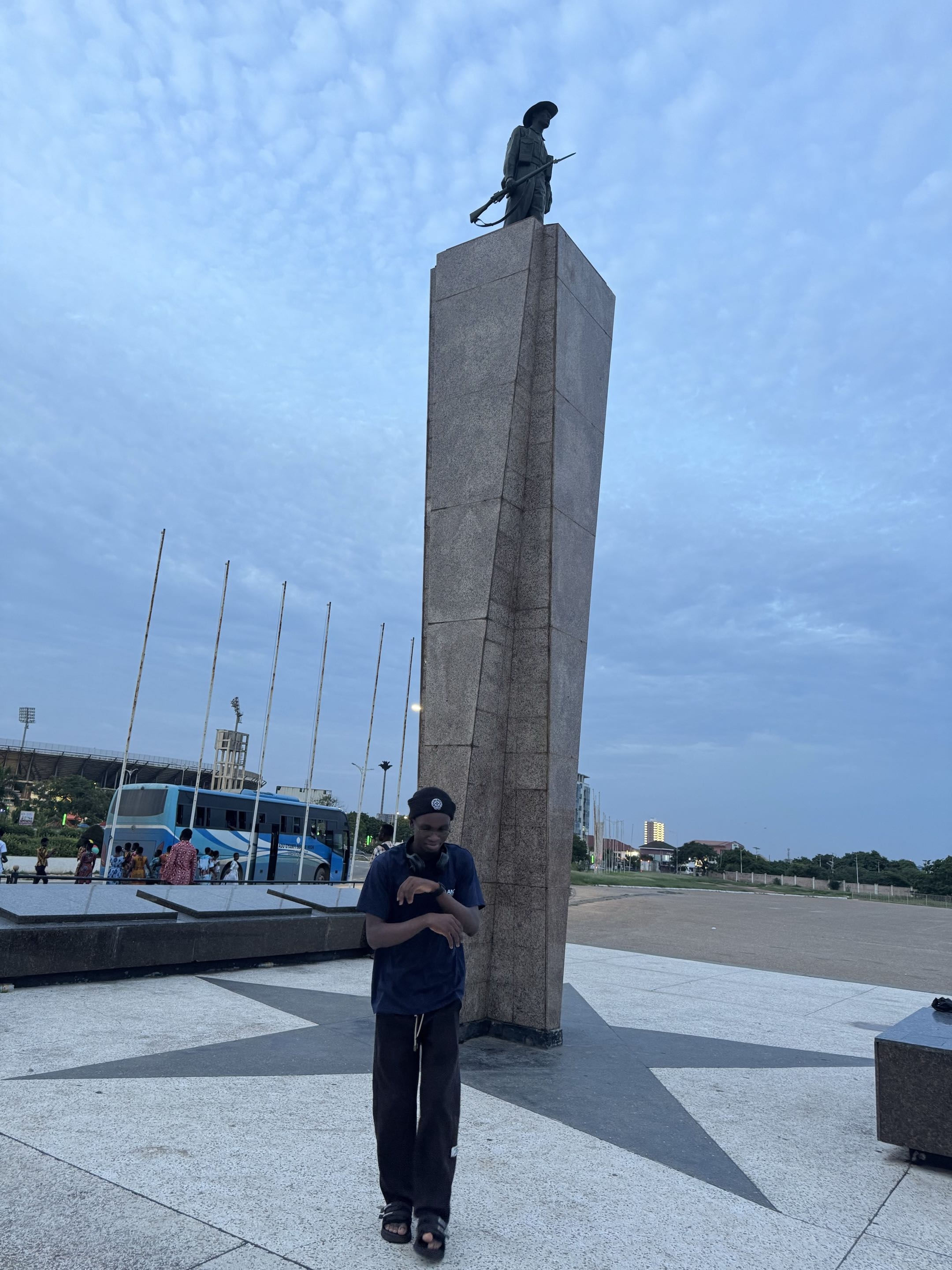
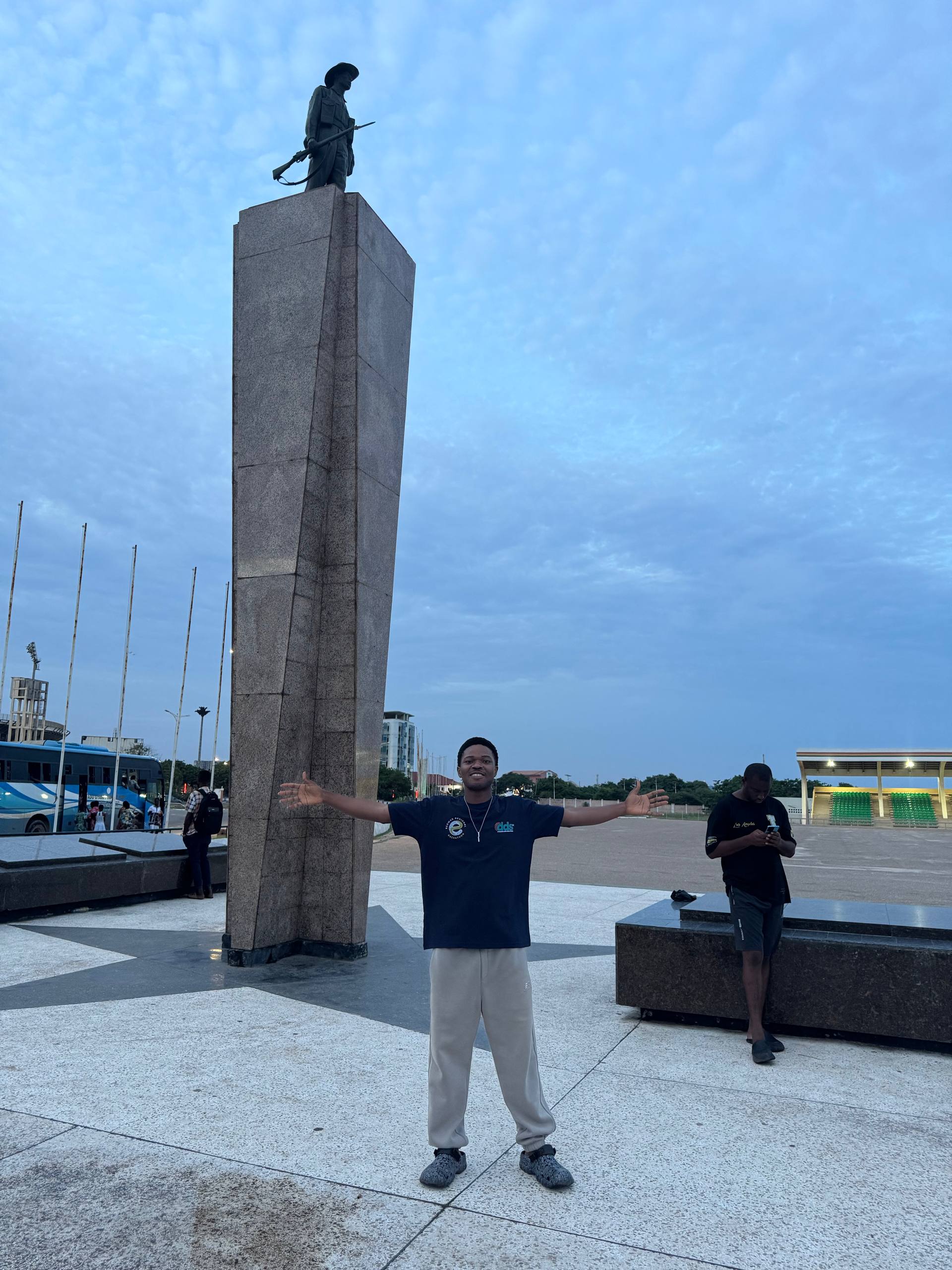
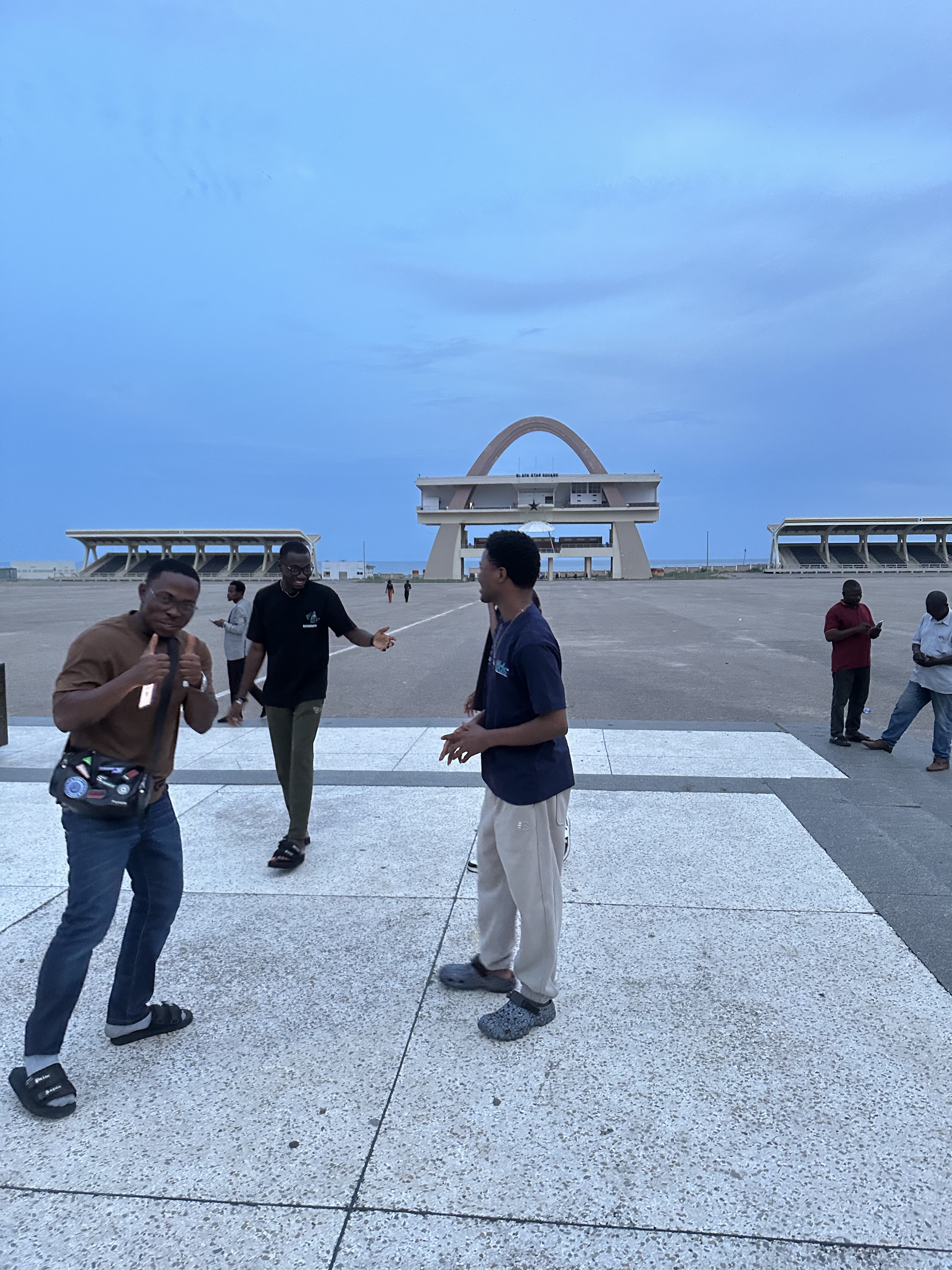
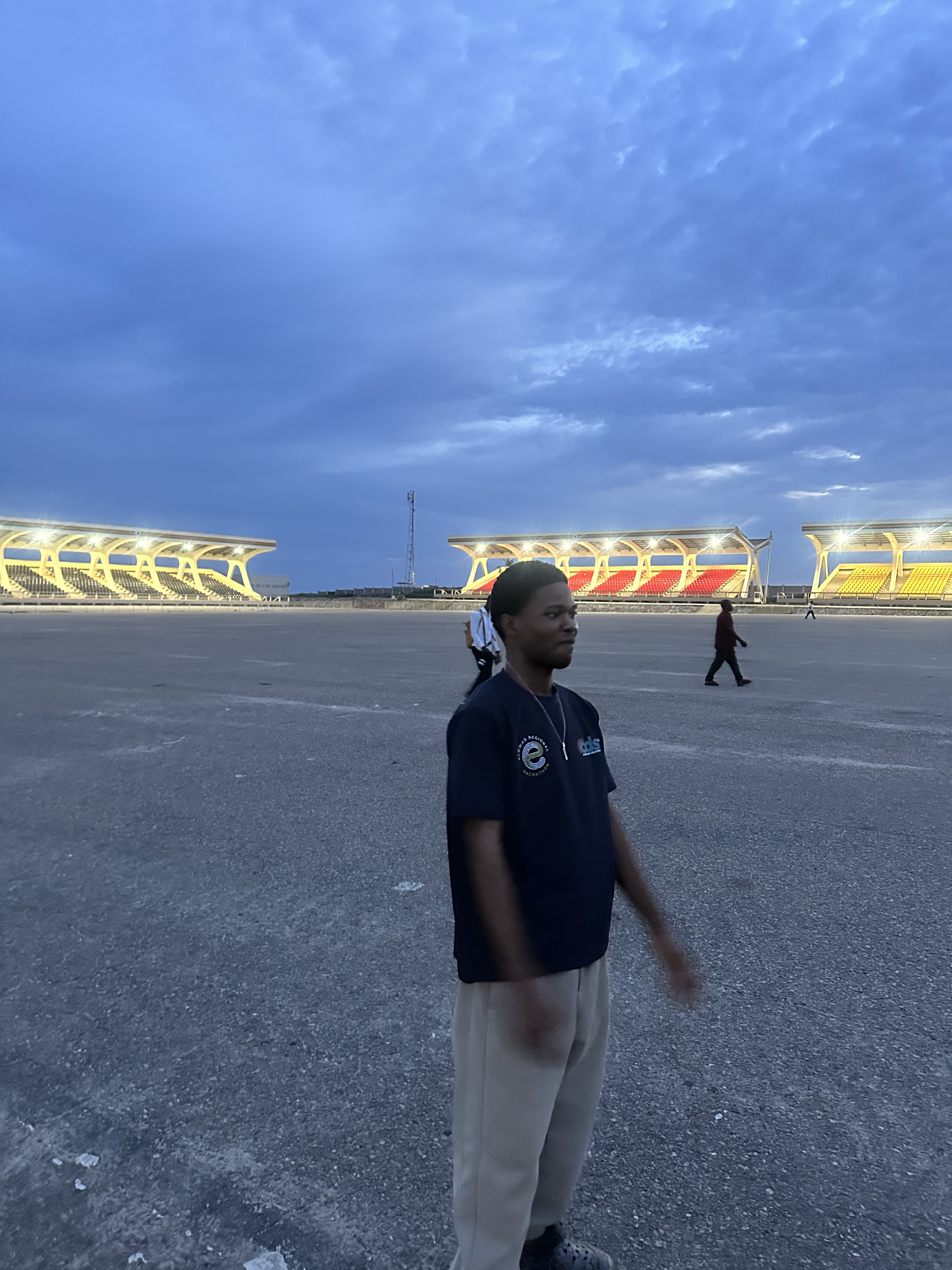
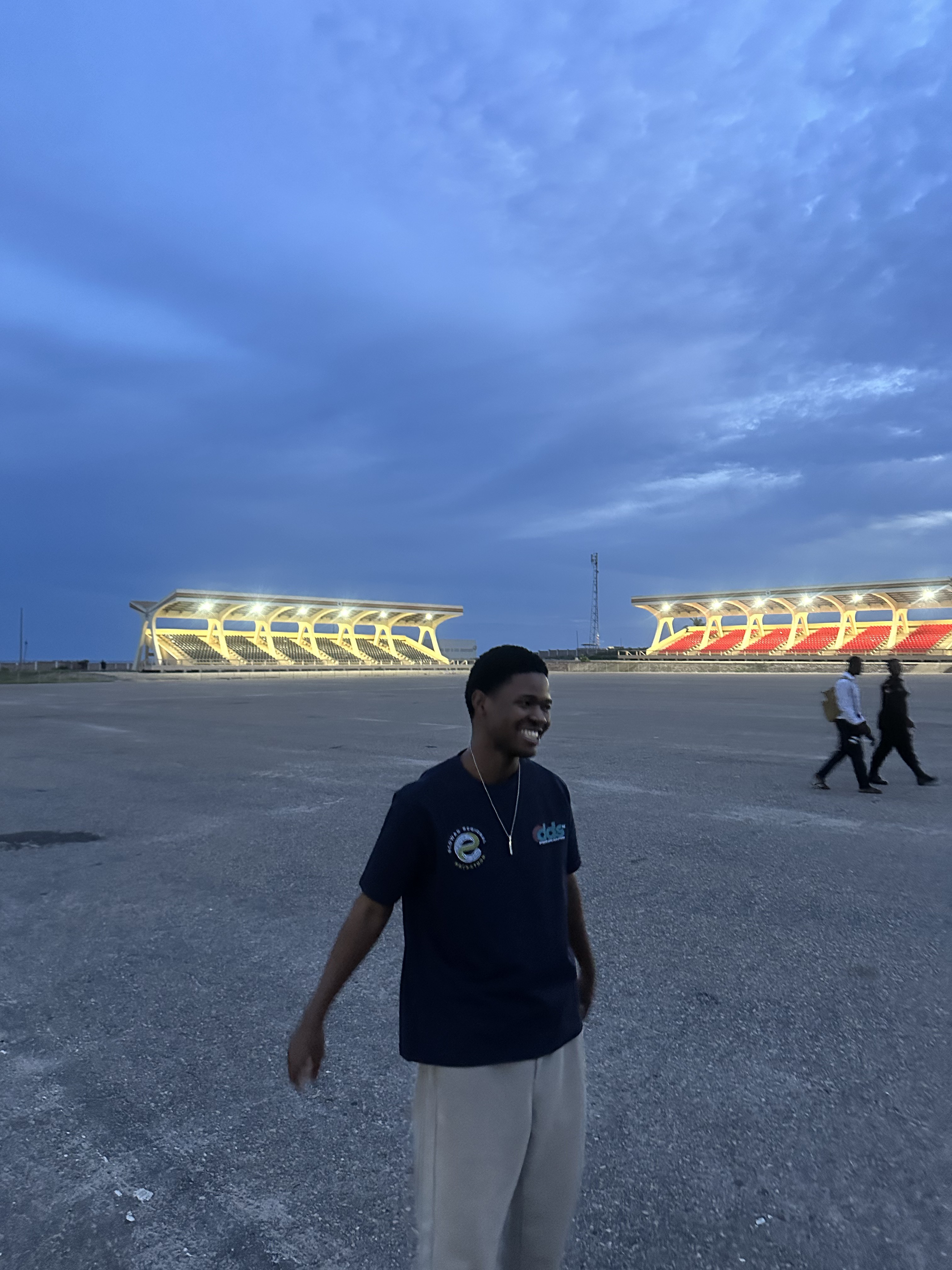
After the competition ended, the Cyber Security Authority (CSA) Ghana organized a tour for the participants.
By that point, most people including myself were exhausted. After several days of competition, all we really wanted was rest. Still, I didn’t want to miss the opportunity, so I joined the tour.
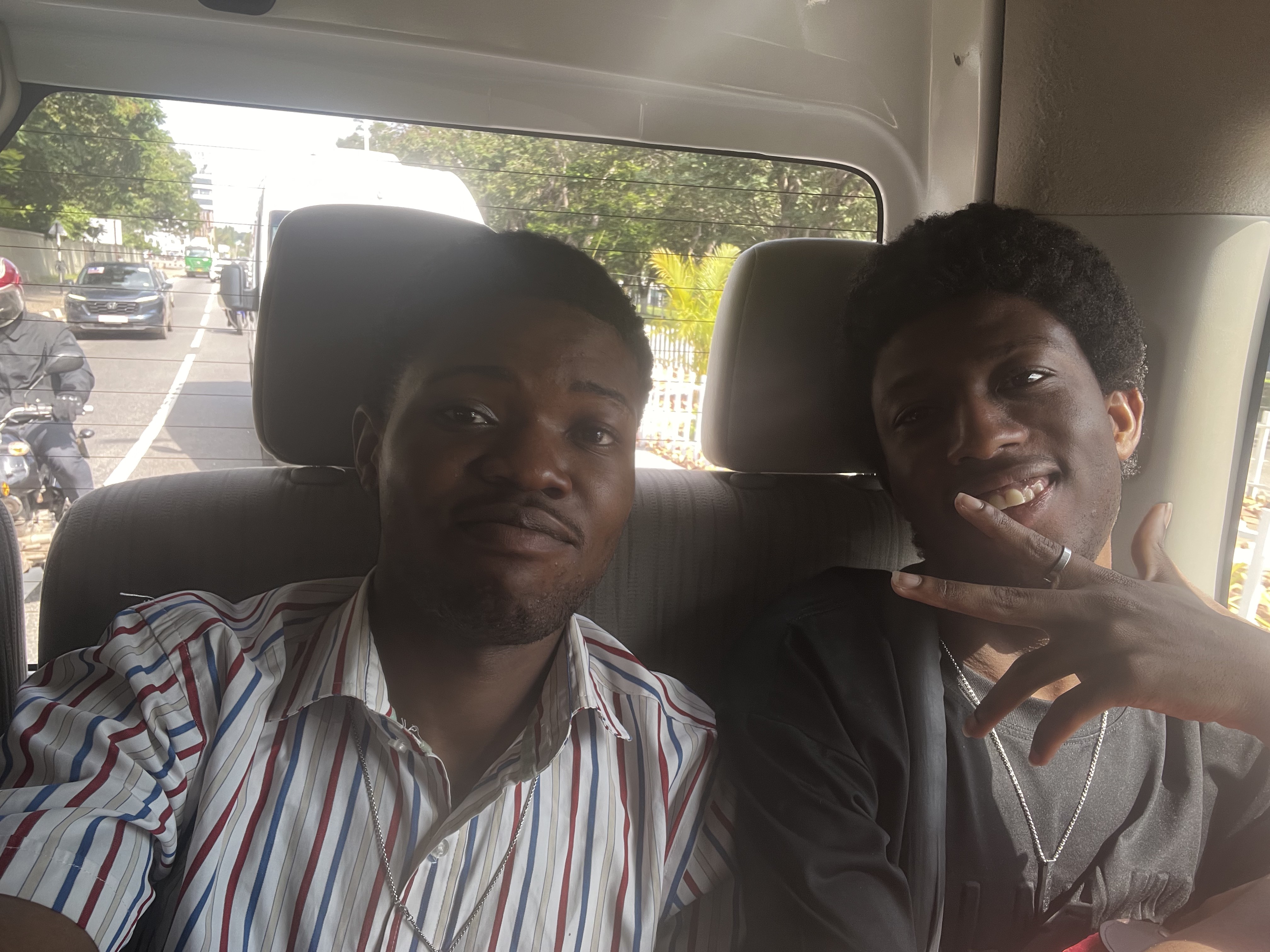
I met up with Theory and three members of RedTeam-TG (Togo). I had previously met Charles and Daniel during the ICC in Japan, so this was my first time meeting aaron_meta in person (in terms of speaking with him more physically), I had seen him in previous editions of ECOWAS CTF.
One of the highlights of the trip was finally meeting people I had only known online through Discord and various competitions.
For example, I got to meet W1z4rd from Escadron (Benin), the author behind several of the fun and painful challenges from the HackerLab 2025 qualifiers. He creates some genuinely excellent challenges.
I also met a close friend of mine, McSam. After spending so much time talking online, finally meeting in person was a memorable experience.
I meet many other members of cybersecurity community, including ka3n1x, troylynx, phoenix, heavyghost, bloman, D4v3, r3solv3r, hades, mooder, damoreduc, raphael, em07robot, Loufa, Sidy Diop, NTG, 0xr1ck and many others.
Looking back, one of the best parts of the event wasn’t just the competition itself, it was finally putting faces to names and meeting so many talented people whom I had only interacted with online before.
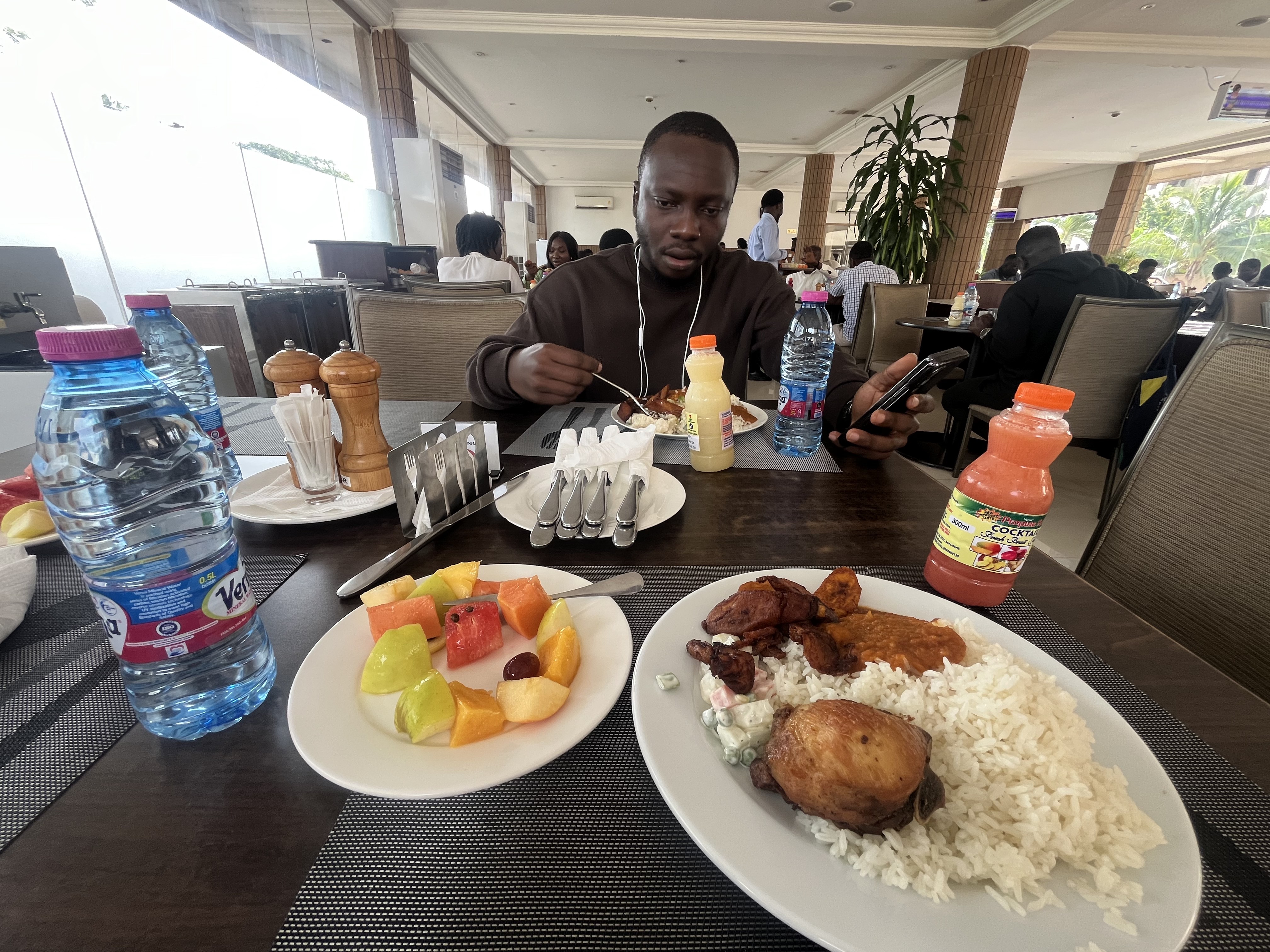
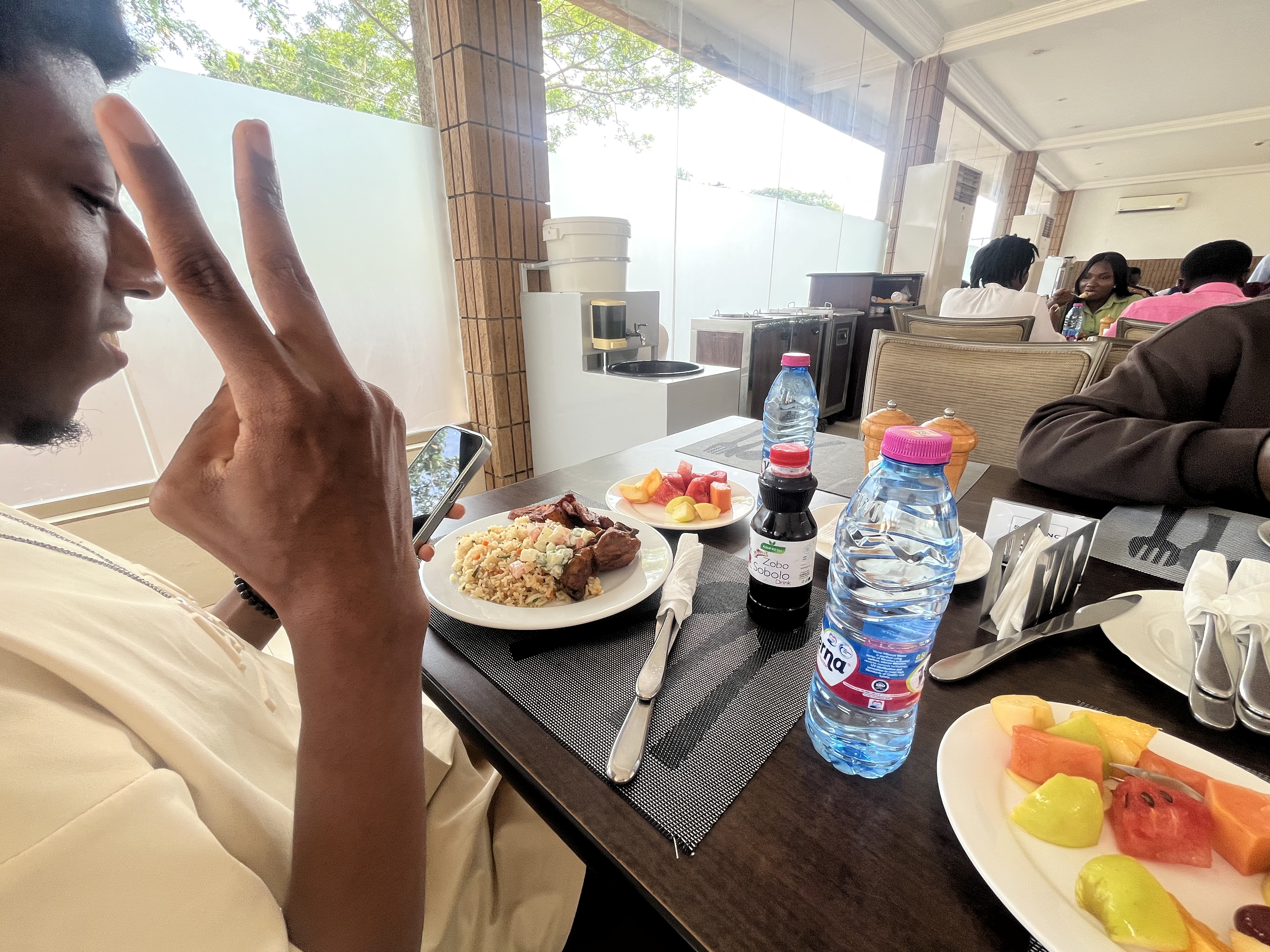
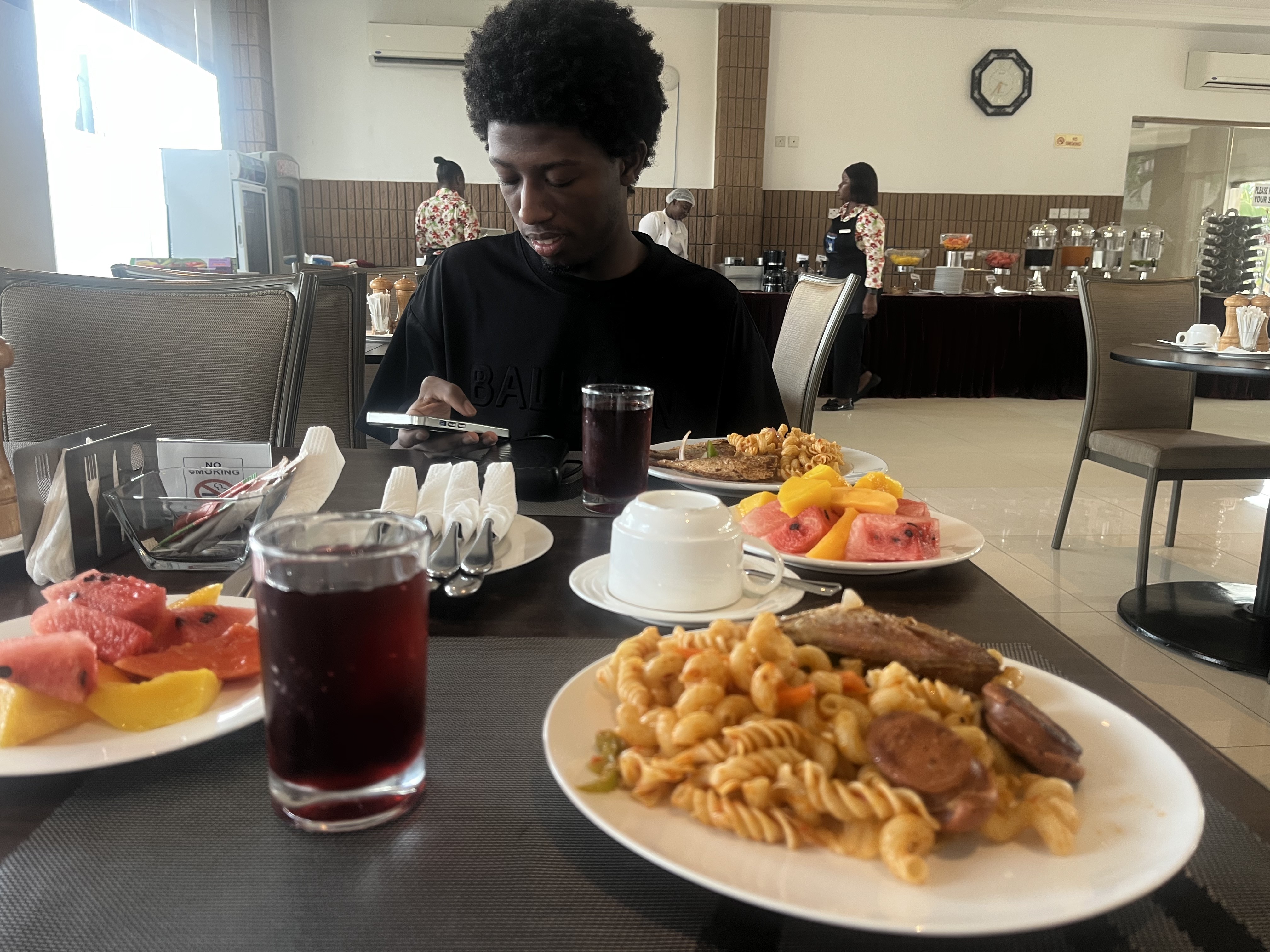
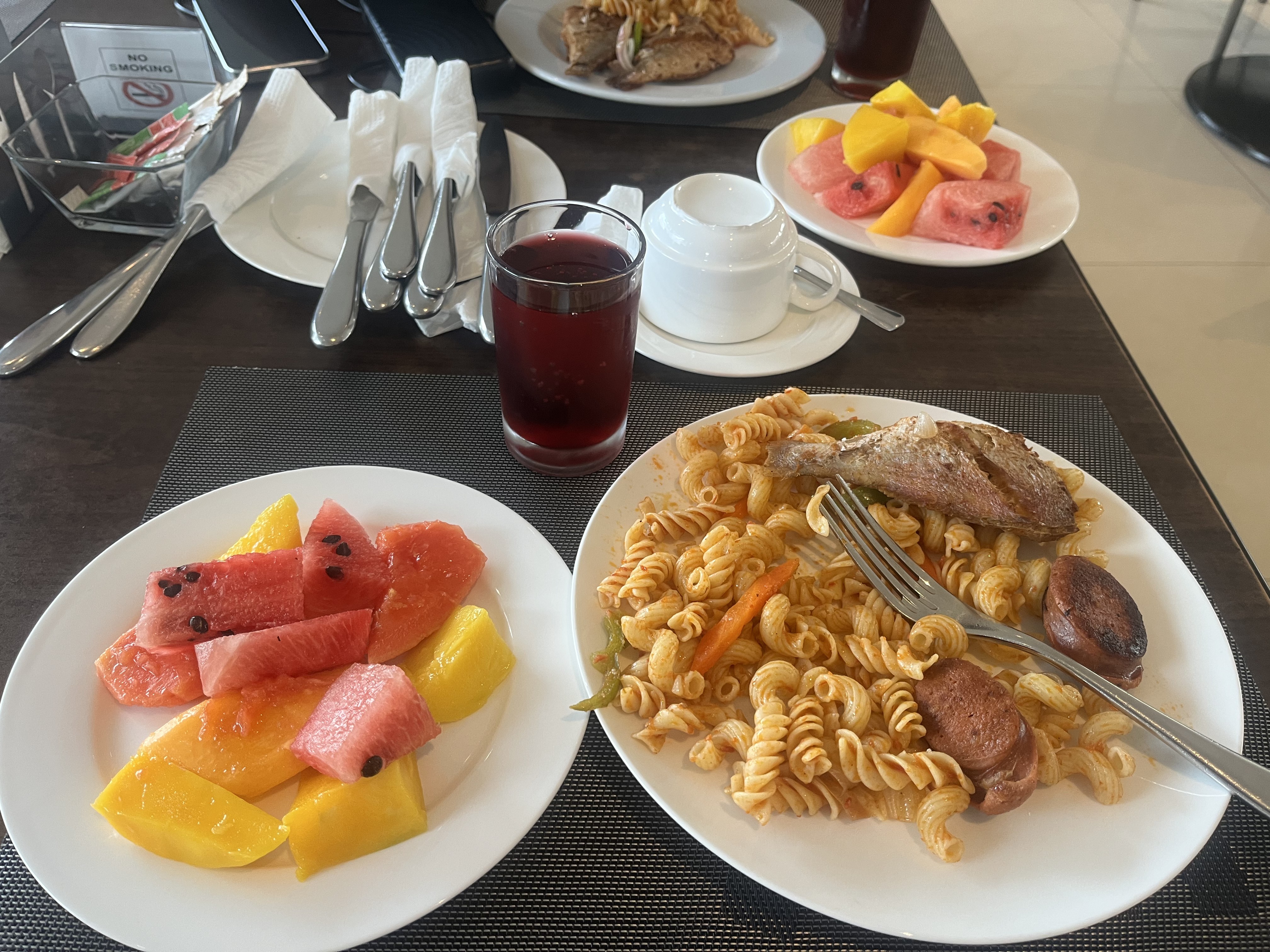
Anyway, here are some photos from the trip 😎
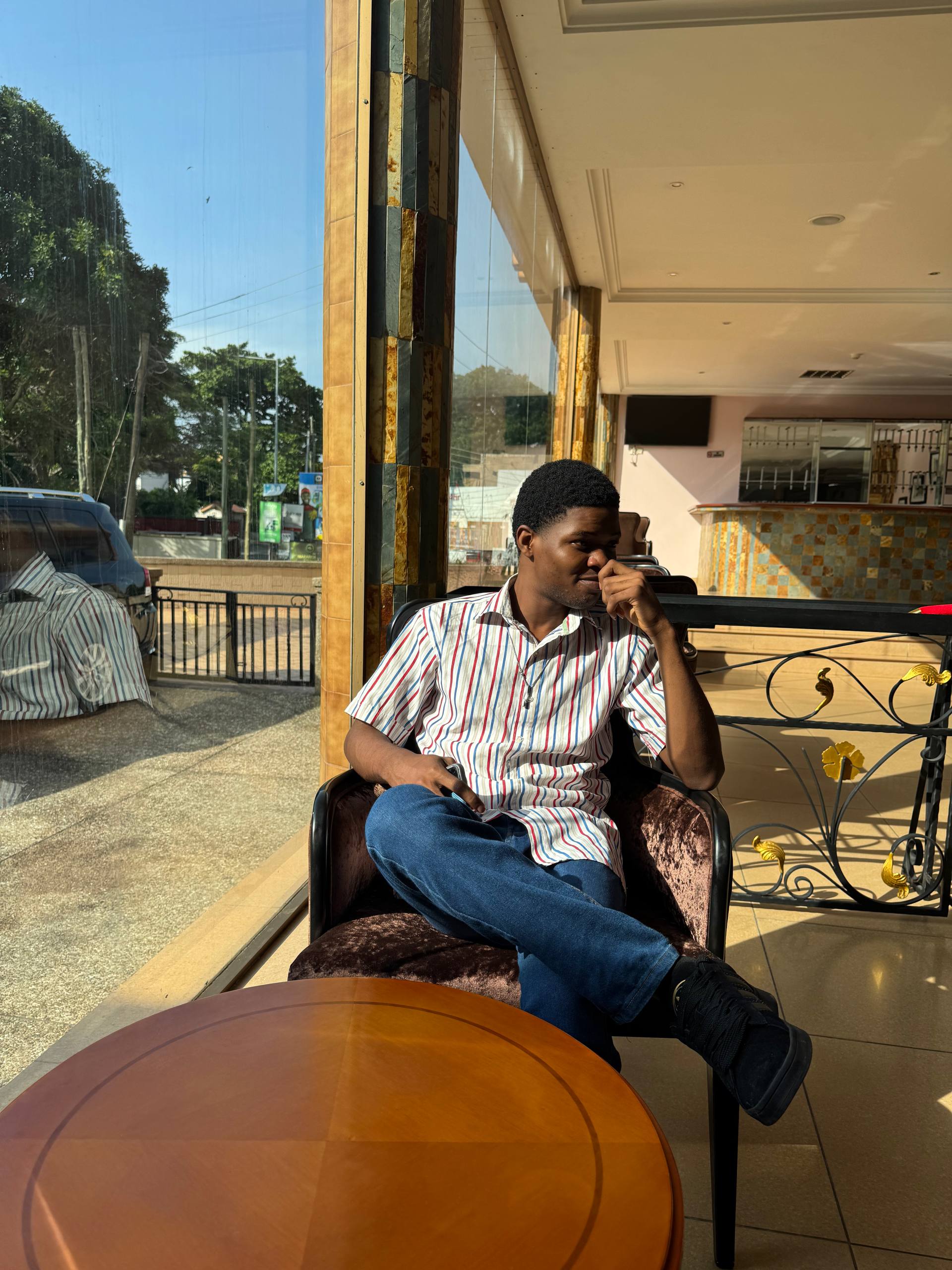
Closing notes
ECOWAS CTF 2026 was more than just another competition for me.
It was an opportunity to represent Nigeria alongside an incredible team, compete against some of the best players in West Africa, and meet many talented people whom I had only known through Discord, write-ups, and CTF scoreboards.
The result was special, not just because we won, but because of the journey it took to get there. After years of consistent podium finishes, finally standing on the top step made every late night, every practice session, every qualification round, and every setback worth it.
To everyone who organized the event, created challenges, mentored participants, and helped make the competition possible: thank you.
And to my teammates - securedviki, proflamyt, and Theory, thank you for trusting me to be part of this journey. Winning the championship with you all is a memory I’ll keep for a very long time.
Congratulations to everyone who partcipated.
Till next time.
ありがとうございます!😊